
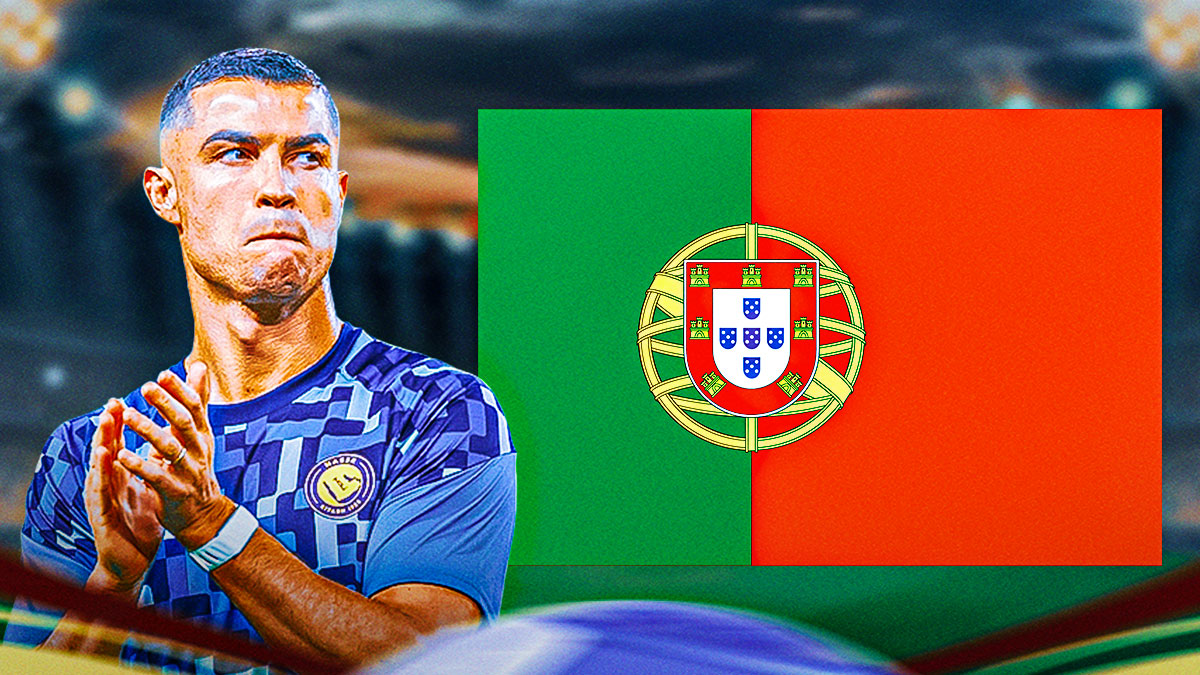
Cristiano Ronaldo gave Portugal plenty of goals to count. The harder task involves deciding which moments best explain what those goals meant. His international retirement closes a career that stretched across 23 years, but its defining images offer more than a collection of records: a teenager confronting defeat, a captain demanding another chance, and a champion celebrating a victory he could not finish on the field.
The final totals, 146 goals across 234 appearances, establish the scale. They cannot fully explain the journey. For that, start with the distance between his tears against Greece and his celebrations against France.
“Today the time has come to pass it on to the future,” Ronaldo said of Portugal’s No. 7 shirt in his farewell message, according to ESPN.
That handover leaves a complicated ending, including his October departure from camp after learning he would not start against Denmark. Still, a difficult exit cannot carry the same weight as everything that preceded it.
Portugal estará sempre em mim pic.twitter.com/dnFj51rxmh
— Cristiano Ronaldo (@Cristiano) November 5, 2026
How did Ronaldo’s early setbacks shape his Portugal story?
Ronaldo entered Portugal’s senior team on August 20, 2003, replacing Luis Figo during the interval against Kazakhstan, SI reports. At 18, he stepped into a role that would eventually become inseparable from his name.
His first goal arrived the following summer against Greece. The late header could not prevent a 2-1 defeat at Euro 2004, and Greece later beat the hosts again in the final. Ronaldo finished the competition with a pair of goals and another pair of assists, earning recognition among its standout performers.
Success and disappointment arrived together. That matters when revisiting a career whose enormous totals can make greatness look inevitable. Ronaldo announced his potential while learning that individual quality offered no protection against collective heartbreak.
The 2006 tournament added another dimension. Portugal reached the World Cup semifinals, while Ronaldo’s confrontation with Manchester United teammate Wayne Rooney against England produced an enduring controversy. His appeal for punishment after Rooney stamped on Ricardo Carvalho, followed by the wink toward Portugal’s bench, supplied an image that traveled beyond the result.
It’s 20 years since Rooney v Ronaldo and *that* wink 👀 pic.twitter.com/ljiurZeNSV
— Match of the Day (@BBCMOTD) July 1, 2026
Ronaldo could command the conversation through conflict as readily as through finishing. His most compelling performances, however, made the football impossible to overlook.
Sports Illustrated highlights the 2013 qualifying playoff against Sweden as one such occasion. After deciding the opening leg, Ronaldo delivered three goals in Stockholm. Zlatan Ibrahimovic’s two strikes had brought Sweden level across the tie before Ronaldo answered twice more to secure qualification. It belongs near the top of this retrospective because the stakes and the performance matched each other so completely.
Why does Euro 2016 remain the defining triumph?
The most revealing Ronaldo moment might involve a match he could not complete.
At Euro 2016, he scored twice against Hungary and contributed a headed goal against Wales in the semifinal. Then a knee injury ended his participation against France after 25 minutes of the final, ESPN reports.
🇵🇹🆚🇫🇷 EURO 2016 = Cristiano Ronaldo became a champion with Portugal 🏆
🇵🇹🆚🇫🇷 EURO 2020 = Who'll be celebrating today?#EURO2020 pic.twitter.com/6orgO0wpgT
— UEFA EURO (@UEFAEURO) June 23, 2021
For a player so capable of deciding matches himself, the situation demanded something different. Ronaldo urged Portugal forward from the sideline while his teammates pursued the championship without him.
Eder supplied the breakthrough in minute 109. Portugal claimed its first major international trophy, and Ronaldo finally experienced the celebration that Greece had denied him twelve years earlier.
That scene gives his career its strongest emotional connection. The teenager who cried after losing a final became the captain who celebrated winning one, even after injury removed his ability to determine its outcome directly.
His greatest team achievement required him to share the decisive moment. That makes the triumph more meaningful, particularly in a career so often explained through personal accomplishments.
Article Continues BelowWhich later moments strengthened Ronaldo’s international legacy?
Two years later, Ronaldo offered a more familiar demonstration of control against Spain. His three goals at the 2018 tournament included the late free kick that rescued a draw. At 33, he became the oldest hat-trick scorer in World Cup history.
The performance deserves its prominence because it combined urgency with execution. Portugal needed an answer against a major opponent, and Ronaldo supplied every goal.
More silverware followed. He captained Portugal to the inaugural Nations League championship in 2019, then scored against Spain in the 2025 final before Portugal prevailed on penalties. Those successes extended the trophy story beyond one extraordinary summer.
Between those titles came another landmark: two goals against Ireland in 2021 pushed his international total to 111, overtaking Ali Daei’s 109. Ronaldo ultimately raised the mark to 146, with his final international goal coming against Croatia during the 2026 tournament. He also finished having scored across six World Cups.
Those numbers will give future challengers something precise to pursue. The moments leave a different inheritance.
Sweden captures his ability to answer pressure. Spain captures his finishing at its most commanding. France captures the joy of finally winning together. Greece explains why that joy carried such force.
Ronaldo’s defining Portugal memories belong in the same story because each changes how the others feel. The records establish his reach. The heartbreak and the trophies explain why people will keep returning to it.