
The Dallas Cowboys came out of Tuesday's NFL trade deadline without making any moves, choosing to stick with their current roster despite a disappointing 4-5 record. Head coach Brian Schottenheimer defended this decision, telling The Athletic's Jon Machota that the team's inactivity demonstrates confidence in its players and their ability to improve. Additionally, Dallas addressed speculation about George Pickens. ESPN's Jeremy Fowler reported that the Cowboys received no trade inquiries for the wide receiver, who remains content with the organization despite playing under the franchise tag.
As a result, Jerry Jones is left with essentially the same team that narrowly won against Indianapolis in Week 9. While the Cowboys have reasons to conserve their limited draft capital, their biggest mistake was failing to find an affordable pass rusher who could enhance a defense that continues to jeopardize their playoff ambitions.
Cowboys needed another edge rusher at the trade deadline
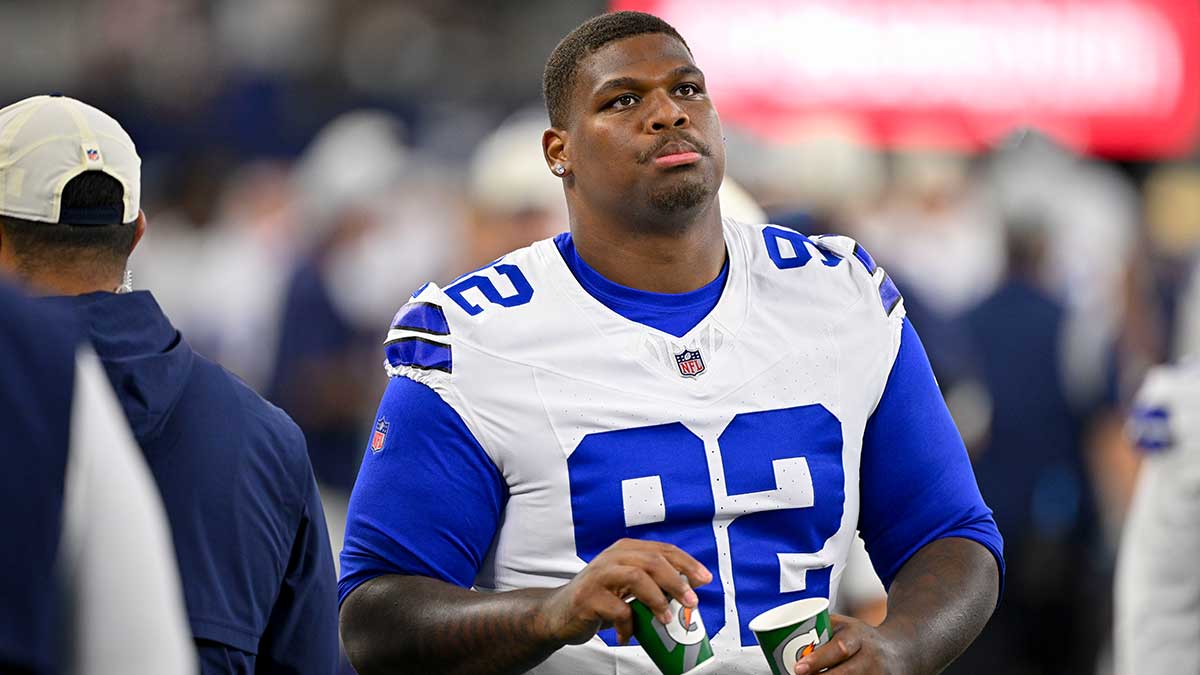
Dallas has invested significant resources into reshaping its defense, but the results have been disappointing. As of Week 10, the Cowboys are allowing an average of 26.2 points per game, which ranks them 25th in the NFL. Their challenges extend beyond just the scoring, with Pro Football Focus citing Dallas as last in defensive EPA (Expected Points Added) per play through the first nine games, and that statistic indicates that the defense has struggled to consistently prevent opposing offenses from gaining yardage and creating scoring opportunities.
The pass rush has been particularly underwhelming. The Cowboys have recorded only 17 sacks over nine games, averaging fewer than two sacks per game. This lack of consistent pressure has made it increasingly difficult for a secondary that is already contending with injuries and personnel changes. Quinnen Williams leads the team with five sacks, providing valuable production from the defensive interior. His ability to disrupt plays remains one of the few reliable elements of the front seven. However, opposing quarterbacks have not faced significant pressure from the edge.
Rashan Gary, who joined the team from Green Bay in the offseason, has recorded only two sacks. He was expected to enhance the Cowboys' outside pass rush, but his performance has not met those expectations. Donovan Ezeiruaku has contributed 2.5 sacks, showing promise but not yet establishing himself as a consistent threat. Von Miller has totaled just one sack, further highlighting the difficulties Dallas has encountered in generating production from its veteran pass rushers.
Joey Porter Jr. cannot solve Dallas' defensive problems alone
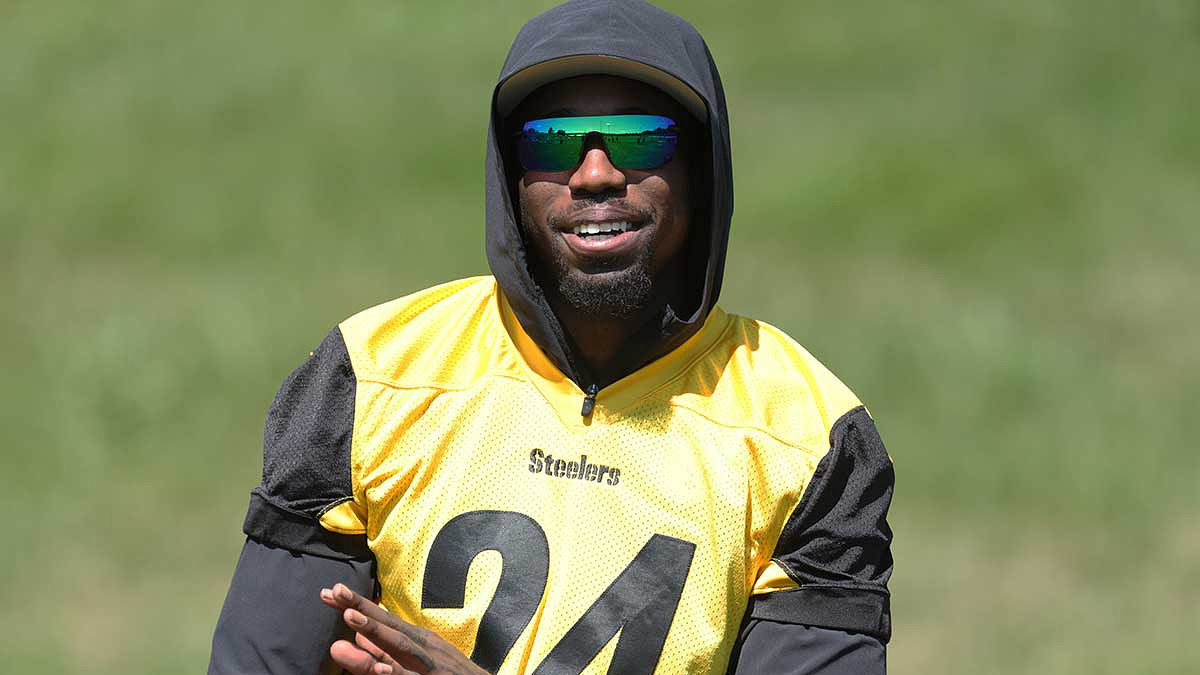
The Cowboys made a significant defensive investment earlier this season by acquiring cornerback Joey Porter Jr. from Pittsburgh in October. In return, Dallas gave up a 2028 second-round pick and a conditional sixth-round pick in 2027 to complete the trade. Porter provided an immediate upgrade at cornerback, giving defensive coordinator Christian Parker a physical defender who can challenge opposing receivers. His presence has improved individual matchups in the secondary, but the trade has not led to the broader defensive transformation that Dallas had hoped for.
Porter missed the Week 9 victory over Indianapolis due to an ankle injury, which added uncertainty about his availability. Even when healthy, he cannot solve the problems linked to an inconsistent pass rush. Cornerbacks can only maintain tight coverage for so long before receivers start finding open spots. When quarterbacks have enough time to progress through their reads, defensive backs face tougher assignments.
This issue affects the entire secondary, including DaRon Bland and rookie safety Caleb Downs. Downs has been one of the most promising contributors on the defense, recording two sacks and his first career interception against Indianapolis. His versatility gives Parker more options to disguise pressure and create varied defensive looks.
However, relying on a rookie defensive back to contribute significantly to the pass rush highlights the shortcomings of Dallas's current roster.
Dallas should have explored a reasonably priced pass rusher
The Cowboys were linked to several defensive targets before Tuesday's deadline, including both experienced veterans and younger players looking for more opportunities. Josh Uche was one of the intriguing possibilities.
The Miami Dolphins entered the deadline with a 1-7 record and several veterans whose futures were uncertain. Uche, who was playing on a one-year contract, had recorded three sacks in eight games. Although his production wasn’t extraordinary, he had enough experience as a situational pass rusher to be worth considering. Dallas could have looked into whether Miami would be willing to trade him for a late-round draft pick.
Such a proposal would have required a relatively modest investment compared to pursuing an established star, which would have demanded substantial compensation. There is no confirmation that Miami made Uche available at an acceptable price, and ultimately, the Dolphins retained him. This uncertainty is important when evaluating the Cowboys' decision, but owner Jerry Jones was not guaranteed the chance to acquire a productive defender just because another team was struggling.
Jerry Jones' draft decisions created a difficult deadline dilemma
Dallas entered the trade deadline with only four selections in the 2027 NFL Draft. The Cowboys currently have a first-round pick, their own second-round selection, a fourth-round pick from Pittsburgh, and a seventh-round pick from New England. This limited collection is the result of several earlier transactions, including the acquisitions of Porter and offensive tackle Broderick Jones.
The shortage of picks explains why Jerry Jones was hesitant to give up any additional draft capital, but this does not eliminate the need to improve a team that remains in contention for the NFC East title. Dallas currently sits at 4-5, while the division-leading New York Giants have also shown vulnerabilities.
The upcoming matchup against San Francisco will be another significant test for their defensive personnel. Going up against one of the NFC's strongest teams without improving the pass rush could expose the same weaknesses that have contributed to Dallas's disappointing start.
So, Jones deserves some credit for refusing to sacrifice another premium selection simply to create excitement around the deadline, but the organization should have recognized that a minor defensive addition could have addressed a clear weakness without creating another major financial commitment. Dallas has already invested heavily in its secondary and defensive interior, and failing to complement those investments with an effective edge rusher has left the roster unbalanced.