
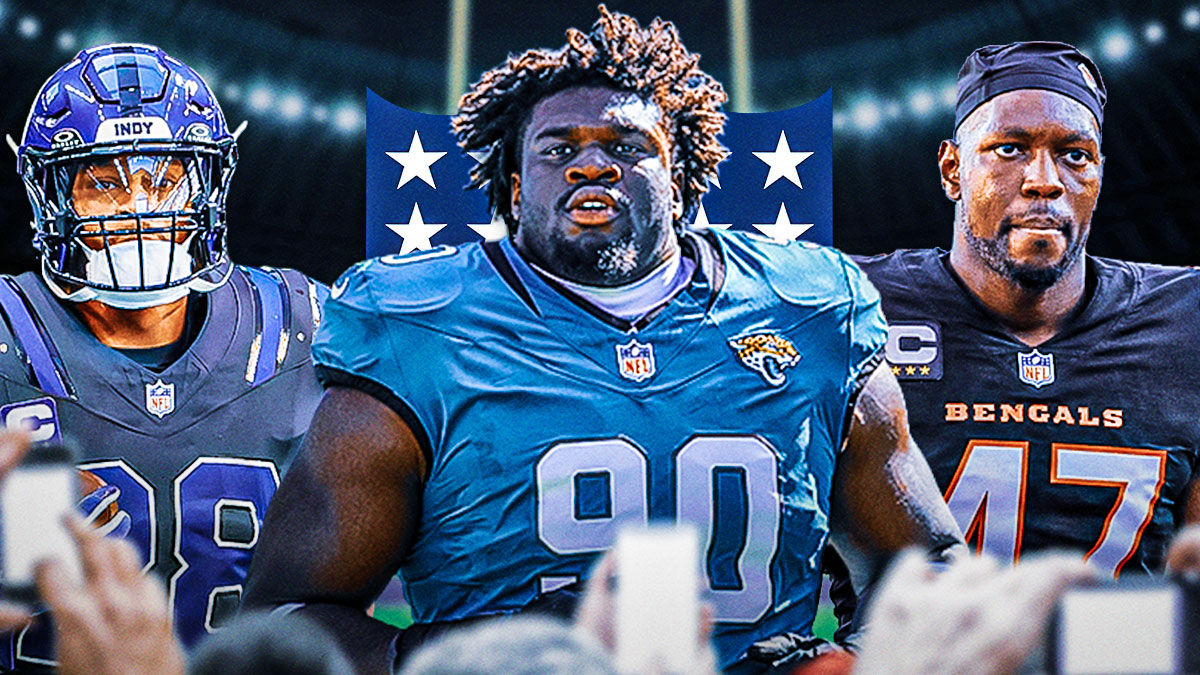
And just like that, the 2026 NFL trade deadline was in the books.
Suddenly, all of the rumors were either proven true or false, all of the speculation came to an end, and fans had a chance to see what their favorites will more or less look like when the playoffs roll around come January.
For some teams, they made out like bandits, adding the perfect players for their schemes at a reasonable price, but for others, three teams exactly, things didn't go exactly how they'd hoped, leaving picks on the table, overpaying for players, or simply showing a fundamental misunderstanding of the rules that resulted in a major faux pas on deadline day.
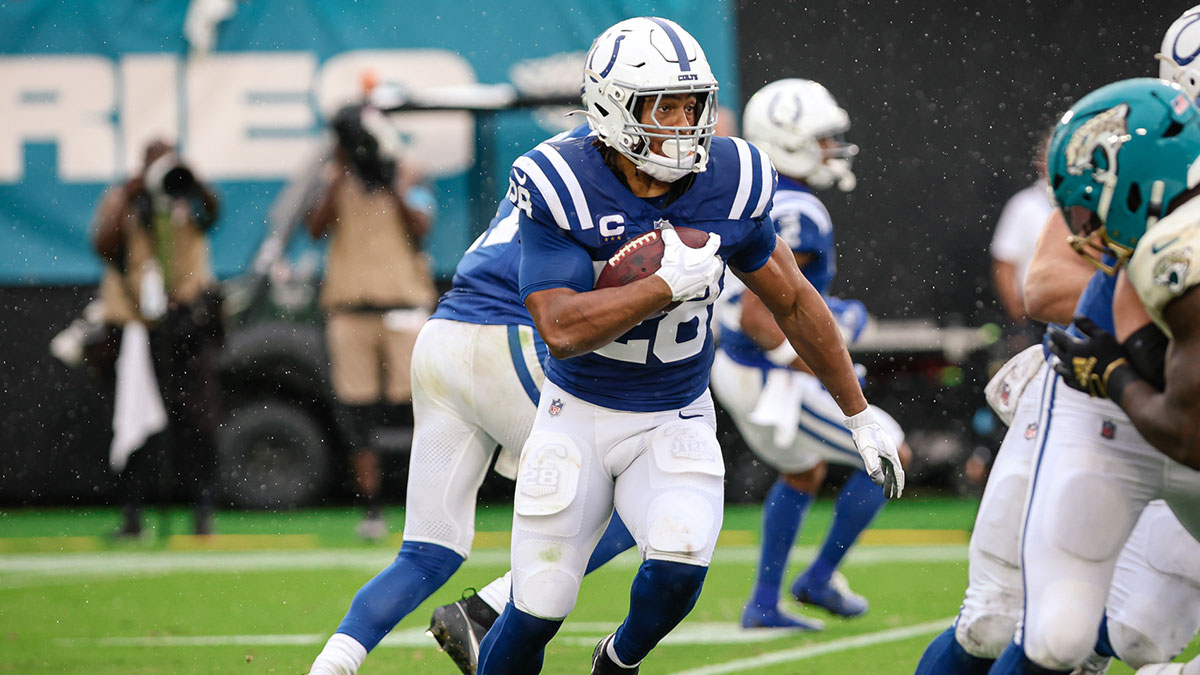
The Colts left too many picks on the table by keeping Jonathan Taylor
As an entire swash of NFL teams looked to load up on the finishing touches for their Super Bowl-caliber rosters, the Colts and Eagles found themselves as the two biggest sellers in a buyer's market and were able to load up on draft picks in exchange for win-now players.
And yet, when push came to shove, the Colts removed their best chip from the table before the die was cast, losing out on “a second-round pick and more” for 27-year-old running back Jonathan Taylor, according to Fox Sports' Jordan Schutlz.
“Sources: The Colts had multiple offers of a 2nd-round pick and more for RB Jonathan Taylor over the last week,” Schutlz wrote. “But the organization decided that if it ever trades him, it will be in the offseason, when more buyers could be available, and a permanent GM is in place.”
On paper, the idea of waiting until the offseason to trade Taylor isn't the worst one, as there could be additional teams interested in his services, but what there won't be is the same sense of urgency that exists at the trade deadline, where teams are willing to pay extra for that missing piece. Factor in the potential for Taylor to get injured over the final eight games, where he's averaging 20.7 touches per game, and the Colts are making a major bet that might not cash in the way they hope.
The Colts also opted against trading Grover Stewart, who is a free agent at the end of the season, and probably could have gotten way more than a third-round pick for Daniel Jones from the Minnesota Vikings if they were willing to really sell the doors off their building, which may or may not pay off, depending on how the next 12 months shake out.
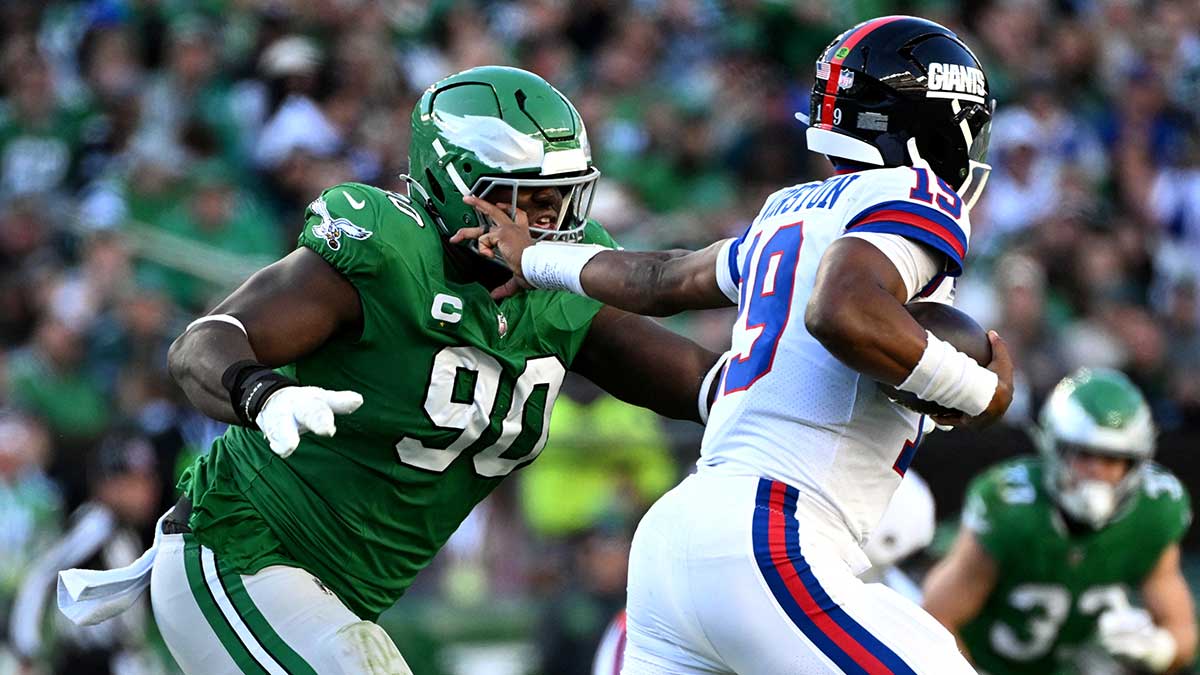
The Jaguars were rightfully blasted for Jordan Davis' price tag
On Monday, the Jacksonville Jaguars shocked the NFL world by not only trading for Jessie Bates III and Davon Godchaux but also backing up the Brinks truck to the deadline's other big seller, the Eagles, to take over the remainder of Jordan Davis' long-term contract.
When the news broke, Jaguars fans were rightfully excited, as they nabbed a key defensive cog from a recent Super Bowl champion to hopefully lead them to their own run at the “big game,” but as the dust settled, it rapidly looked like Howie Roseman fleeced James Gladstone out of a 2027 first-round pick and a 2029 second-rounder for a part-time player in the middle of a down season.
Need proof? Well, look no further than ESPN, where a tag team article by Ben Solak and Seth Walder gave the Jaguars an F for the deal. Why? Well, because Davis simply isn't the kind of player worthy of that kind of return.
“There's no other way to start this: This trade is a disaster for Jacksonville,” the duo wrote. “The numbers do not paint a picture of Davis being someone who is worth anywhere near that type of trade compensation. He has played 52% of snaps for the Eagles. That number is not particularly unusual for a run-stuffing nose tackle, but that's exactly the point: The Jaguars just dealt first- and second-round picks for a part-time player who helps only against the run! There is no world where that is worth it.”
Now granted, Davis brings more to the table than just stopping the run. He's a great locker room guy, a team leader, and one of the most athletic nose tackles the NFL has ever seen. But the Eagles simply never trusted him to rush the passer with regularity, which is a big part of playing defensive tackle in the NFL regardless of scheme, especially on a $78 million contract. Who knows, maybe the Jaguars will give Davis more of a go since they don't also have Jalen Carter and Moro Ojomo looking for snaps, but unless he suddenly becomes a three-down player, it's hard to argue the Jaguars didn't pay a serious premium for a part-time player, which is all the more confusing since they added another run-stuffing defensive tackle earlier in the day.
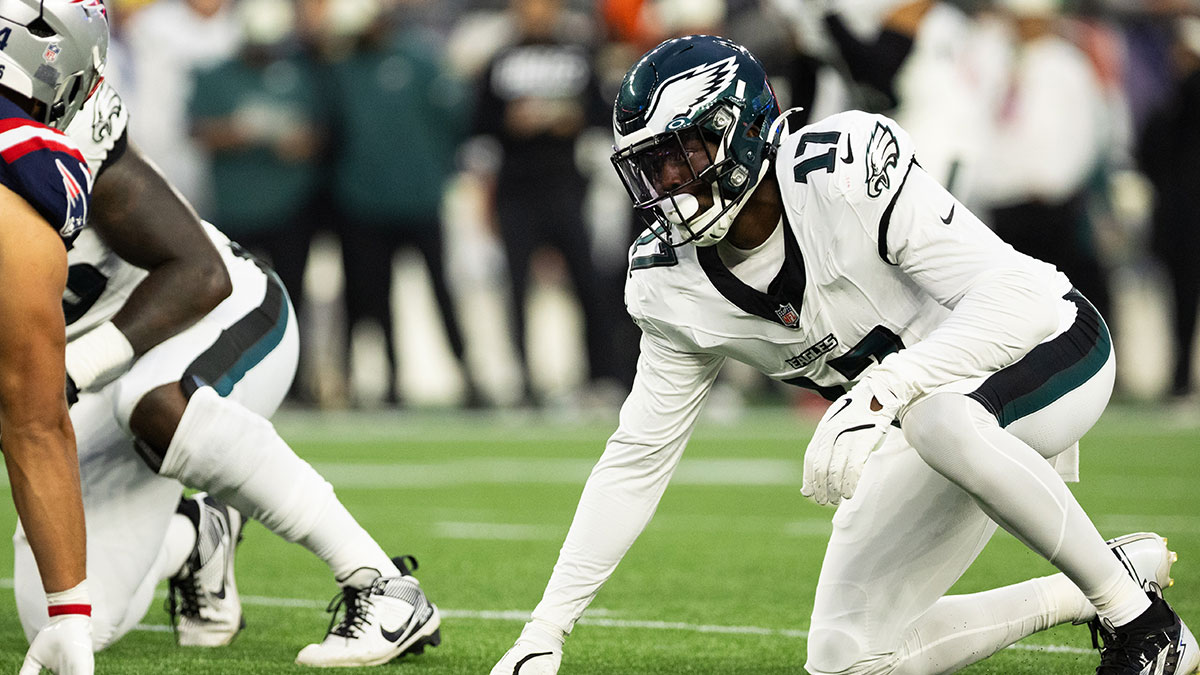
The Bengals not knowing the compensatory draft formula rules
Normally, when a team opts to trade a sixth-round pick for a rotational edge rusher, it's pretty low on the proverbial priority list, especially when multiple first- and second-round picks were moved before the deadline.
The Cincinnati Bengals' decision to almost trade for Eagles outside linebacker Arnold Ebiketie is the rare exception, as the reason it didn't happen is downright goofy.
Taking to social media to explain the situation for fans who don't know the inner workings of the compensatory formula – a disproportionate number of whom may live in the Buckeye State – The Ringers' Albert Breer revealed that had the deal gone through, Duke Tobin would have been giving up a whole lot more than a sixth-round pick.
“Explaining the Arnold Ebiketie situation. The rule in question was put in years ago to close a loophole teams could exploit by executing a sign-and-trade with other teams—and basically says that if you trade for a player in the first year of his contract, he counts against the comp-pick formula as if he was a free agent you signed,” Breer wrote.
“Had the Bengals gone through with this trade, they'd have gained three compensable free agents, and lost three, leaving them without a pick for Trey Hendrickson. So while on paper, they'd have gotten Ebiketie for a sixth-rounder, as a practical matter, they'd have traded him for third- and sixth-round picks (the third being the comp pick they'll likely get for Hendrickson). That's why the trade is off.”
At the end of the day, does it really matter if the Bengals added a player like Ebiketie, who doesn't have a sack in 2026 over 300 defensive snaps? Not really, especially since their pass rush currently ranks ninth in the NFL in terms of sacks, and players like Boye Mafe have come into their own without Trey Henderson. But not knowing how the compensatory pick formula works? Especially when Tobin has been with the team for 25 years? That certainly is not a good look for a team that has routinely been on the wrong side of personal drama.