
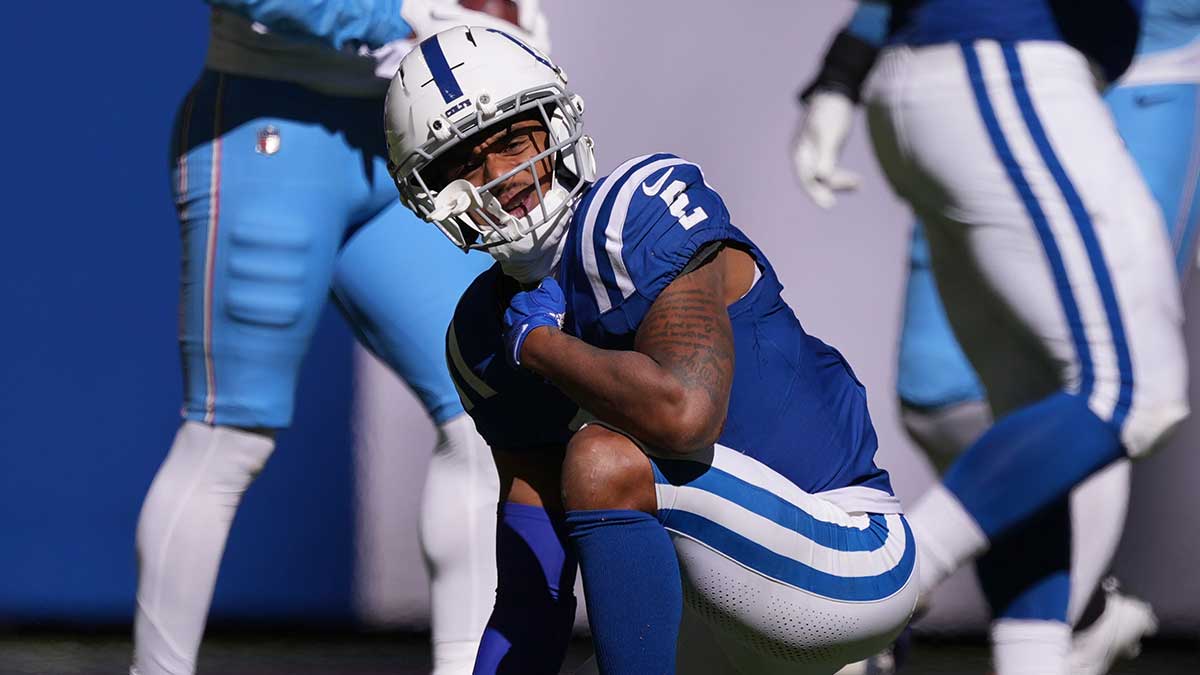
During the 2026 NFL trade deadline, the New York Jets were unwilling to trade their star receiver, Garrett Wilson. According to ESPN's Rich Cimini, both the Kansas City Chiefs and the San Francisco 49ers showed interest in acquiring Wilson, but neither team had a realistic chance of making a deal.
Kansas City ultimately addressed its receiving needs by acquiring Josh Downs from the Indianapolis Colts. The Chiefs traded their fourth- and fifth-round picks in 2027, along with a seventh-round pick, in exchange for Downs. This move provides Patrick Mahomes with another reliable target, especially after injuries disrupted the team's receiving corps.
However, general manager Brett Veach left another significant issue unresolved. While adding Downs should enhance Kansas City's passing game, the team did not find additional help for the offensive tackle position despite growing concerns about their protection, which could become a more serious problem during the postseason.
Chiefs overlooked their offensive tackle problems at the deadline
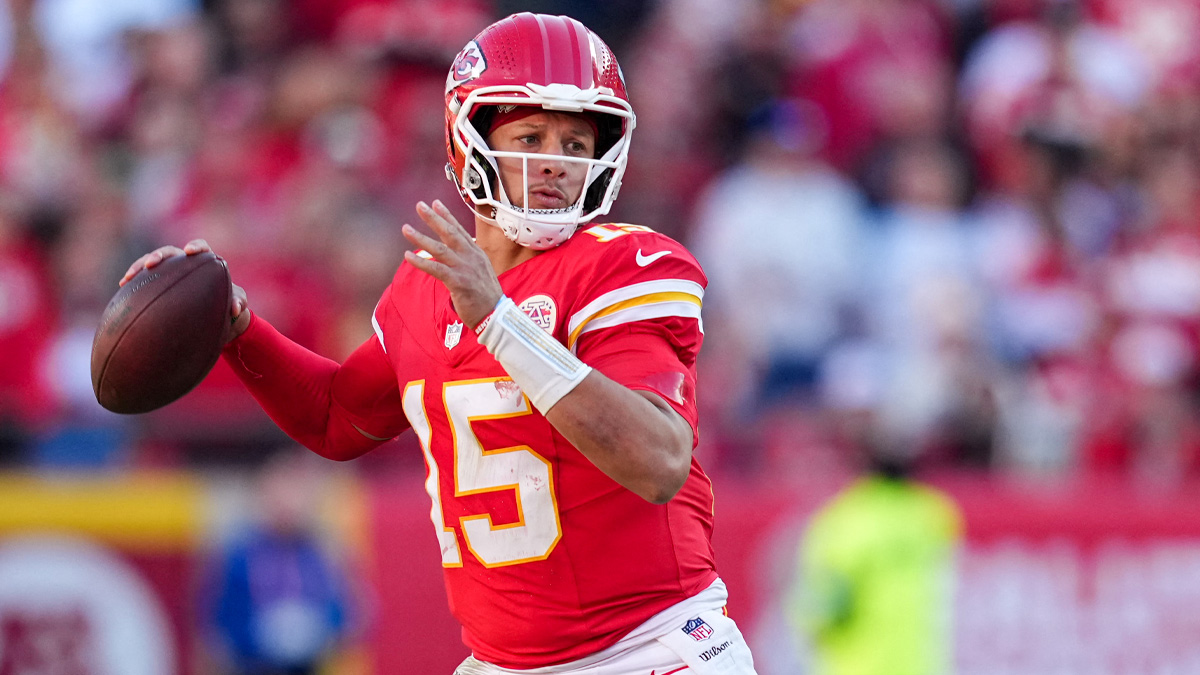
Kansas City's decision to seek help was understandable, especially after injuries revealed the limited depth surrounding Patrick Mahomes. Rashee Rice missed time earlier in the season, and Xavier Worthy's hamstring injury created further uncertainty about the offense's ability to threaten defenses downfield. Acquiring Downs provides another reliable option who can operate effectively under coverage and create separation with precise route-running.
Before the trade, the former Indianapolis receiver recorded 33 receptions for 354 yards and one touchdown, demonstrating his ability to remain productive despite the Colts' offensive struggles. His arrival should make Kansas City's passing game more versatile, but adding another receiver doesn't fully address the protection issues affecting Mahomes.
The Chiefs entered the trade deadline with questions about both starting offensive tackles, particularly after Jaylon Moore suffered an ankle injury during their Week 9 victory over the New York Jets. Moore had already shown inconsistency, and his absence forced Kansas City to rely on Joshua Ezeudu at right tackle.
The situation became increasingly concerning when Moore was ruled out against Atlanta, leaving the coaching staff with limited options along the offensive line. Kahlil Benson has taken on responsibilities on the opposite side, exceeding expectations as an undrafted rookie. However, his performances have been inconsistent, giving opposing defenses opportunities to exploit weaknesses in his technique. This combination creates a challenging situation for an offense that relies on providing Mahomes with enough time to read defensive adjustments and extend plays. Kansas City had the opportunity to strengthen its tackle rotation before the deadline, but General Manager Brett Veach ultimately chose to prioritize receiving help without securing another experienced blocker.
Patrick Mahomes needs more dependable protection
Patrick Mahomes is capable of making extraordinary plays, even when his protection breaks down. He relies on his mobility and improvisational skills to create opportunities that many quarterbacks cannot replicate, but expecting him to compensate for inconsistent blocking throughout an entire season puts unnecessary pressure on the offense. The Chiefs have built much of their recent success around Mahomes' ability to extend plays, manipulate defensive coverage, and find receivers when the original play breaks down. These strengths become harder to utilize when opposing pass rushers consistently penetrate the pocket before receivers can finish their routes.
Additionally, Mahomes entered Week 10 with concerns regarding his knee and right elbow, and while he participated fully in practice and was available for the game against Atlanta, maintaining effective protection becomes even more critical when the team’s most valuable player is dealing with physical discomfort. Kansas City cannot afford to treat offensive line instability as a minor issue while pursuing another championship.
Moore's injury has forced Ezeudu into a larger role, although the former New York Giants lineman has primarily worked on the left side of the line during his career. His versatility offers useful insurance, but switching between tackle positions requires adjustments in footwork, blocking angles, and communication.
Diego Pounds is another developmental option, but Kansas City has not relied heavily on him during significant offensive plays.
Josh Downs was a smart addition, but Kansas City needed better balance
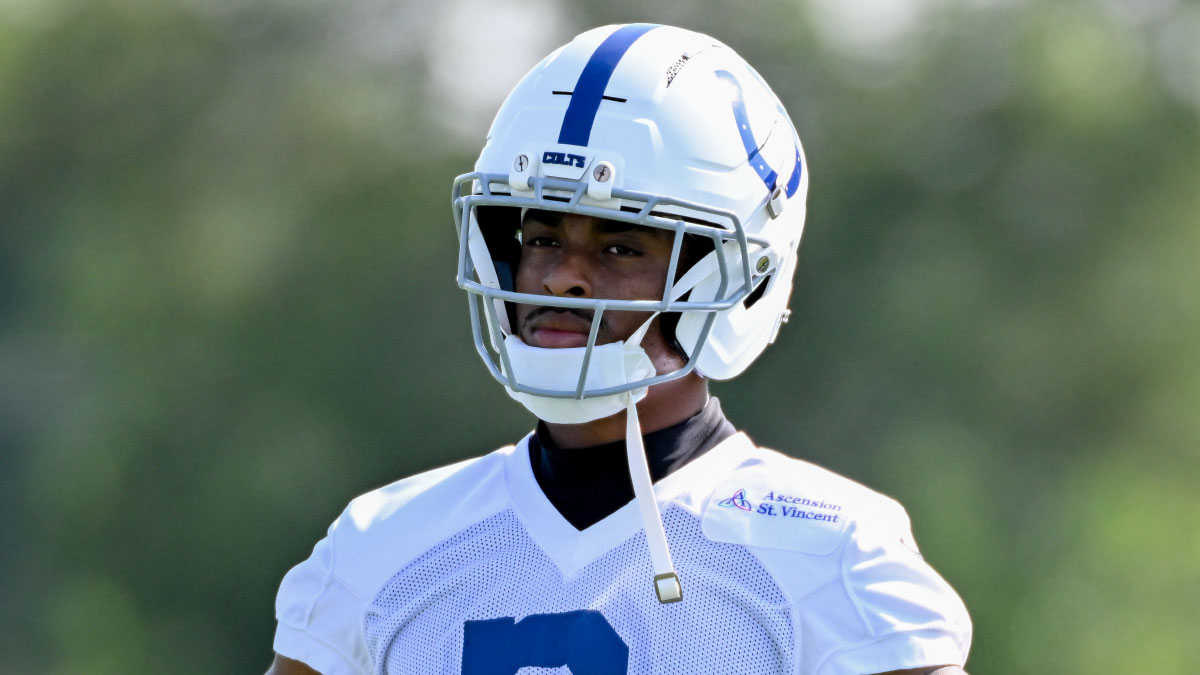
The acquisition of Downs should provide immediate benefits for Kansas City's receiving corps, especially since his experience in the slot complements the different skill sets already available on the team. Rice brings physicality and strong production after the catch, while Worthy offers the speed needed to challenge defensive backs vertically. Travis Kelce remains a valuable contributor, particularly in situations where Mahomes needs to identify openings between defenders. Adding Downs gives Coach Reid another receiver who can create favorable matchups, potentially making the offense less reliant on individual players staying healthy.
However, these improvements will be less effective if Mahomes frequently faces pressure before his targets can get open. Kansas City's receiving production has increasingly depended on short completions and yards after the catch, a trend opponents can exploit by crowding the areas closest to the line of scrimmage. Downs should help address this issue with his route-running ability, but the offense also needs adequate time to attack deeper areas of the field.
Reliable tackle play is essential for providing that opportunity, as well as establishing a more balanced rushing attack. Kenneth Walker III has become a crucial part of Kansas City's offensive identity, but his absence against Atlanta due to a groin injury poses another challenge for an offense already adjusting to multiple personnel changes.
Kansas City's championship window demanded another investment
The Chiefs entered Week 10 with a 6-2 record, firmly positioned as one of the top contenders in the AFC. Their strong start makes the organization’s decisions leading up to the trade deadline particularly important, as even minor improvements could significantly impact the outcome of crucial postseason games.
General Manager Brett Veach showed his commitment to enhancing immediate offensive production by trading two draft selections for receiver Downs, who is approaching unrestricted free agency after this season. This move carries some risk, as Kansas City may lose the receiver after a relatively short tenure unless both parties agree on a new contract. However, the organization clearly deemed his immediate contribution valuable enough to justify that risk.
A similar evaluation could have been applied to the offensive tackle market. The Chiefs did not necessarily need another costly starter or a long-term commitment; instead, an experienced rotational blocker could have offered insurance against potential injuries without forcing the franchise to sacrifice valuable draft capital.
There is no confirmation that a suitable tackle was available at a reasonable price, so Veach cannot be criticized for rejecting a specific transaction without tangible evidence that one existed.