
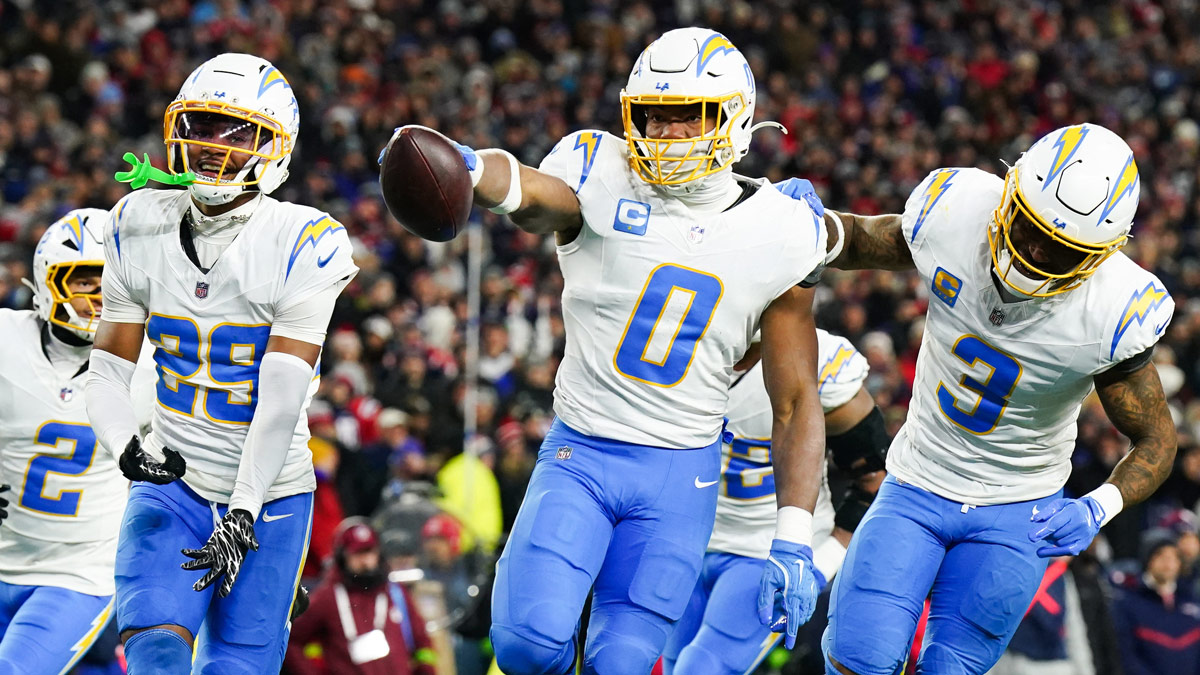
The Los Angeles Chargers' biggest mistake at the 2026 trade deadline was keeping Khalil Mack. They sent linebacker Daiyan Henley to Denver but held their best remaining trade chip on a winless team. The Henley deal has since collapsed, so Los Angeles ended the deadline with no sale at all.
Henley Trade Collapsed
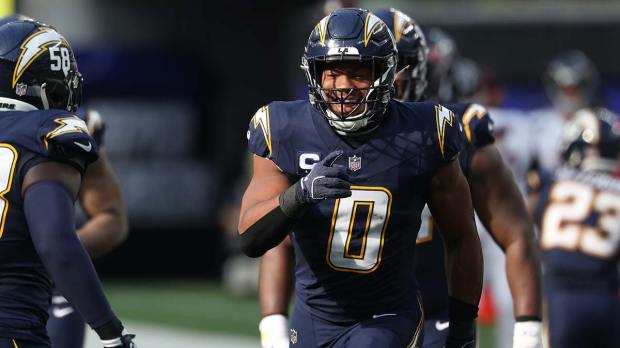
The Chargers agreed to send Henley to the Broncos for a 2027 fourth-round pick and a 2028 fifth-rounder shortly before Tuesday's deadline. Henley had been their leading tackler for three straight seasons, with 142 tackles in 2024, 101 last year and 51 so far in 2026.
The agreement was contingent on a physical. Late Wednesday, Denver announced the trade would not be finalized after the Broncos raised concerns about one of Henley's knees and tried to renegotiate before the sides gave up. Henley stays with the Chargers, and Denver keeps its picks. The Chargers' only deadline move now looks like a failure.
That outcome does not change the real issue. Los Angeles was willing to sell a pending free agent for modest Day 3 picks, which shows it recognized the value of selling. It simply declined to do the same with a better asset.
Why Mack Was the Obvious Sale
The Chargers are 0-8. The Athletic asked whether they are the most disappointing team in modern NFL history. With the season gone, veterans on short contracts should have been the first players moved.
Mack fit that profile perfectly. He is a 35-year-old former Defensive Player of the Year on a one-year, $18 million deal. He is a pending free agent, so the Chargers have no long-term claim on him beyond this season. USA Today called him likely the Chargers' best trade asset.
Contenders needed pass rush help, and Chicago was among the teams linked to him. The Athletic noted a possible Day 3 return. A pick like that is not franchise-changing, but it is more than the Chargers will get by letting him leave in free agency.
The Excuses Don't Hold Up
The Chargers' stated reasons were loyalty and belief. Mack said publicly he wanted to stay, and coach Jim Harbaugh said the same. Rapoport reported the Chargers never wanted to deal him and never got close.
Those feelings are understandable. They are also not a roster-building strategy. USA Today argued that keeping Mack did both the team and a good soldier like Mack a disservice, since a trade could have placed him on a contender. A veteran who wants to stay can still be moved if the organization decides the price is right.
The bigger problem is the roster context. Justin Herbert, Joe Alt, Rashawn Slater, Ladd McConkey and Derwin James all remained, and the team described its position as an awkward middle ground. That approach only makes sense if the Chargers believe they can recover quickly. At 0-8, they cannot make that argument with a straight face.
What the Chargers Lost
Mack's value was never going to be enormous. But the opportunity cost is clear. The Chargers collected nothing for a 35-year-old pending free agent while giving up their only other move to a failed physical.
They also sent a confusing message internally. Selling Henley suggested a willingness to adjust, but keeping Mack signaled the opposite. A front office cannot treat the season as lost for some players and salvageable for others.
Henley will remain with the team through the rest of 2026 and become a free agent in the spring. Mack will likely do the same. The Chargers entered the deadline needing future assets, and they will finish it with fewer than they could have had.