
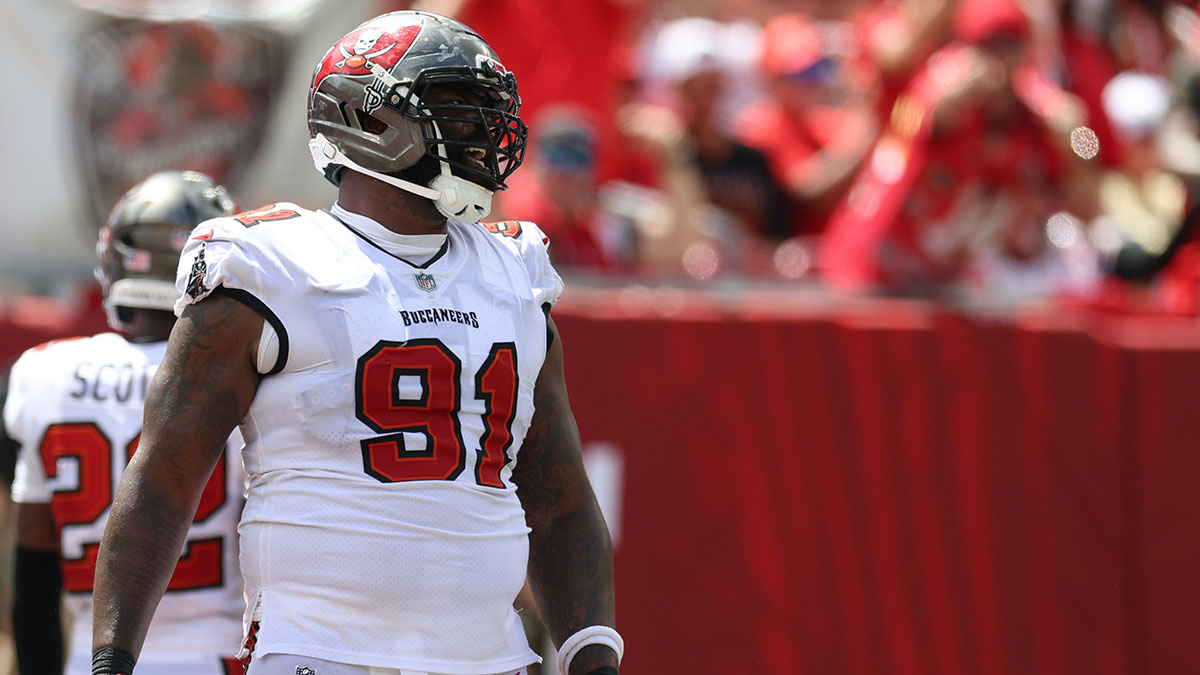
The Tampa Bay Buccaneers had a decision to make at the 2026 NFL Trade Deadline. They could have doubled down on a struggling roster or recognized that the season was slipping away. General manager Jason Licht chose the former. He kept his veteran assets despite a disappointing record and an offense searching for answers. That could prove to be a costly gamble. The Buccaneers stood pat. As such, they may have missed their best chance to give this roster a much-needed reset.
No reset
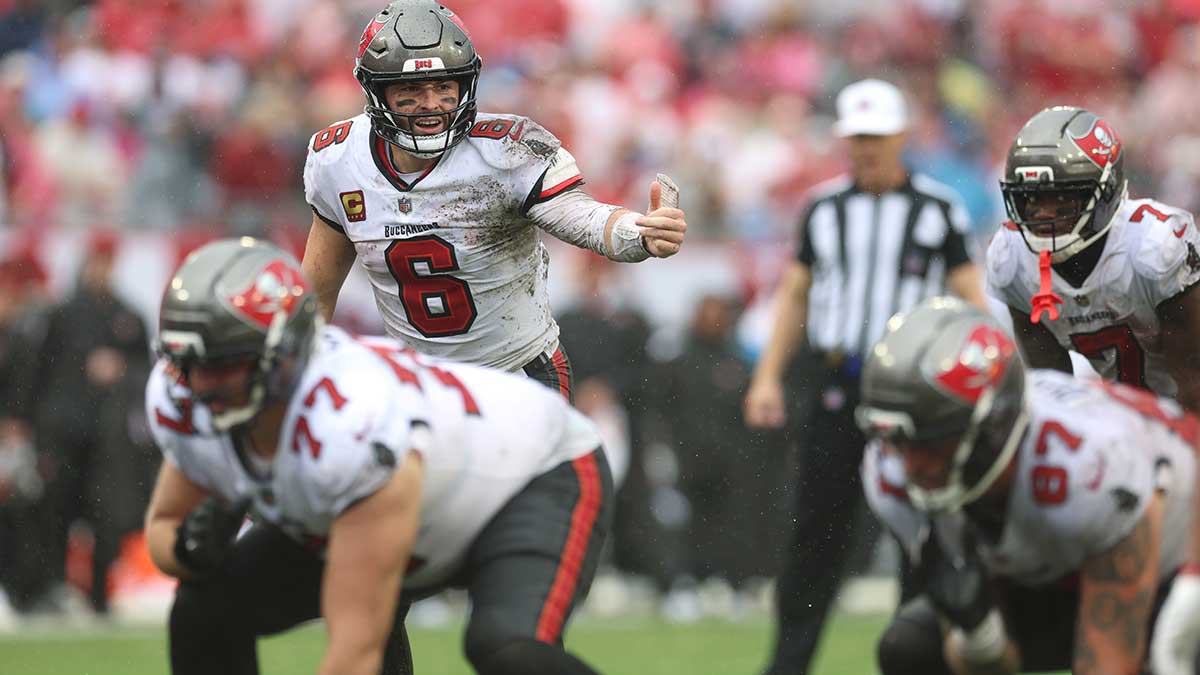
After handing Baker Mayfield a three-year, $165 million extension on the eve of the season, Tampa Bay stumbled into an 0-4 start. He suffered a dislocated right thumb that sidelined him in Week 3. Backup Jalon Daniels provided a spark with a prime-time road win over Dallas in Week 5. They also had subsequent divisional victories over Carolina and Atlanta. However, the underlying problems resurfaced in Week 9. At Soldier Field, Todd Bowles' defense forced five turnovers, including four interceptions, against the Chicago Bears. Yet Mayfield threw two interceptions of his own. Tampa Bay ultimately lost on a walk-off field goal. The defeat dropped the Buccaneers to 3-6 entering their Week 10 bye.
Failing to capitalize
Tampa Bay's biggest deadline mistake was holding onto A'Shawn Robinson. The veteran defensive tackle had legitimate value around the league. Robinson attracted interest from multiple contenders seeking to strengthen their defensive fronts for a postseason push. Pundits identified him as a potential trade candidate with strong interest from many teams.
That should have been enough to get Licht thinking seriously about a deal. Robinson is a useful interior defender. However, the Buccaneers already have considerable investment in their defensive line. Vita Vea remains a powerful presence in the middle. Calijah Kancey offers disruptive ability. Rakeem Nunez-Roches provides another experienced option. Robinson's departure would not have left Tampa Bay without capable bodies up front.
More importantly, his value was tied to what contending teams needed at that moment. Teams needed a veteran defensive tackle who could hold up against the run and help stabilize interior rotations. Tampa Bay could have turned that demand into potentially securing a mid-round selection or better depending on the offers. Instead, the Buccaneers retained a veteran asset while their own postseason prospects remained uncertain.
Danger of half-measures
The other problem with Tampa Bay's deadline approach was its failure to address the offense's need for another reliable perimeter weapon. Mike Evans' offseason departure to San Francisco left a significant void. The Buccaneers have not consistently replaced his ability to win outside and stretch coverage. Chris Godwin Jr. remains a dependable target. Emeka Egbuka has shown promise. Still, the passing attack needs a receiver capable of changing the geometry of a defense.
The Week 9 loss offered a particularly frustrating illustration. Mayfield threw for 243 yards, but his two interceptions proved costly. Tampa Bay also converted only two of 12 third-down opportunities. They repeatedly failed to turn promising situations into sustained drives. Even with five takeaways from the defense, the offense could not capitalize consistently. Tez Johnson's 76 receiving yards and Egbuka's return from injury provided positives. However, they did not erase the need for a more dependable outside presence.
This is where Licht's decision to stand pat becomes a strategic problem. If the Buccaneers believed they could contend in the NFC South, they should have explored acquiring a receiver who could give Mayfield another proven option. If they recognized that the team's offensive inconsistencies, then moving Robinson for future assets was the more sensible course. Tampa Bay effectively chose neither path.
No clear direction

The Buccaneers still have time to make their season meaningful. Their defense has demonstrated that it can create turnovers. The NFC South also remains within reach. That said, the Week 9 defeat exposed how little margin for error this team has when its offense struggles to sustain drives.
Licht just needed to make one difficult, forward-looking decision. Trading Robinson could have strengthened the franchise's draft position while creating room to pursue younger talent. Failing to add a receiver left Mayfield without the additional help this offense clearly needs.
Tampa Bay may yet recover after its bye week. However, the deadline was an opportunity to address the roster's biggest weaknesses or prepare for a better future. By standing pat, the Buccaneers risked ending up with neither.