

The Cleveland Browns suffered another heartbreaking loss on Sunday. Cleveland lost 23-22 against New Orleans in an overtime thriller that featured plenty of twists and turns. Both teams started this game off a bit of sorts, but they turned things around in the second half.
On paper, the Saints feel like a team that are in the same weight class as the Browns. Cleveland deserves credit for never giving up and almost pulling off a gutsy overtime victory. That bodes well for the organization's future, regardless of how this season pans out.
So what exactly went wrong in this one? And is there anything that Cleveland can learn from in their latest defeat?
Here are the Browns most to blame for their devastating overtime loss to the Saints in Week 9.
The Browns had too many penalties, not enough yards in the first half
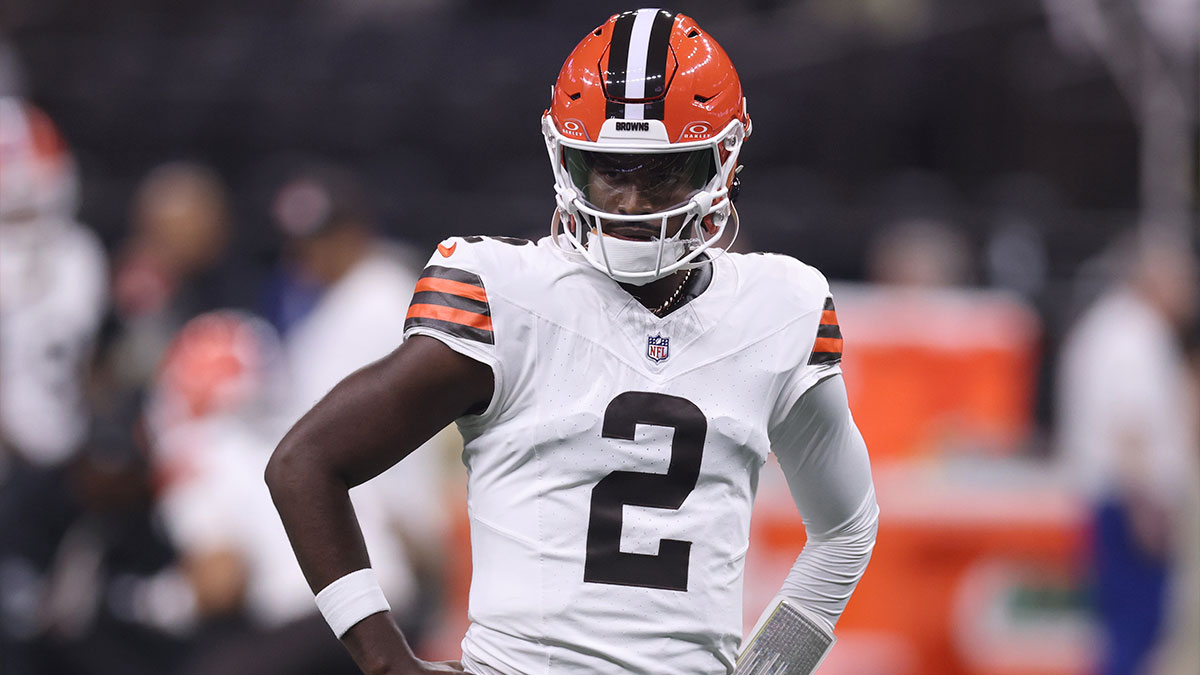
Cleveland could not get out of their own way throughout much of the first half. If the Browns had been able to start off on a hot streak, this game could have ended a lot differently. Unfortunately, Cleveland's inability to play a complete game cost them once again on Sunday.
The Browns committed six penalties for 33 yards during the first quarter alone. That put them in a bad spot early and they ended up finishing this one with 10 penalties for 58 penalty yards.
Those penalties were bad enough because they took all the wind of out Cleveland's sails early. But even when the Browns got into a rhythm they struggled to generate enough yardage to sustain themselves.
Cleveland entered halftime with just 81 yards of offense. Of those, only 38 yards came from Shedeur Sanders and the passing game.
That's what makes it so frustrating know that Sanders and the offense did pick things up in the second half. In fact, the Browns logged 274 total yards during the second half and overtime.
Ultimately, it is a good thing that Cleveland keeps showing flashes of brilliance. They just don't last long enough to counteract them shooting themselves in the foot far too often.
Cleveland's run defense did not show up against a weak New Orleans ground attack
The Browns did not play their best defensive game on Sunday.
The Saints finished this game with 160 rushing yards, which gave them a massive edge in this game.
In fairness, 51 of those yards came from QB Tyler Shough. Stopping a quarterback from scrambling or running the ball on designed QB runs is much more difficult that it might seem. Browns fans can be understood for forgiving the unit for those yards.
Still, New Orleans rumbled for 109 rushing yards between Audric Estime, Alvin Kamara, and Zamir White. Estime had the majority of the production with 72 yards and a touchdown.
Browns fans may remember that Cleveland cut Estime one week ago, opening the door for him to return to New Orleans. Estime may not have provided much value on Cleveland's roster, but he certainly did some damage when playing against them.
Cleveland now averages 130.6 rushing yards allowed per game this season. The Browns may need to address this weakness during the offseason if they cannot fix it over the next few months.
Todd Monken should have just taken the points more often

It's tough for NFL head coaches to always make the right decision, especially in the age of analytics. This is not a problem for just Monken.
If a coach calls a game too cautiously, then fans will beg him to get more aggressive on fourth downs or in other situations. Meanwhile, head coaches often get roasted for being aggressive and the decision simply not working out.
This game included a few situations where, in retrospect, Monken could have approached the game differently.
The first came in the second quarter. Cleveland marched all the way to the red zone and were stuff on three consecutive plays. Instead of kicking the field goal, Monken opted to go for it, but the Browns got stuffed yet again. While that is a smart process to follow in general, going for the field goal could have completely changed this game specifically. In fact, if nothing else changed, Cleveland could have kicked a game-winning field goal at the end of regulation.
The other situation was Monken's choice to go for two after Harold Fannin's absurd overtime touchdown. Here's how Monken explained his thought process after the game.
“Tie or lose is what you're saying, if you kick this one, that's my opinion,” Monken said, via ESPN's Daniel Oyefusi. “You're saying tie or lose, and in that moment I said, nah, that's not me. So we're gonna go for the win right here, and it's gonna be win or lose.”
Monken did the admirable thing by going for the win. That said, the AFC North is an incredibly competitive division this season. Even an extra half game of advantage could make the difference between a playoff trip and a lost opportunity.
To be clear, Monken should not completely rethink his coaching strategy. But he should recognize that his team is not talented enough (yet) to back up all of those aggressive decisions.