
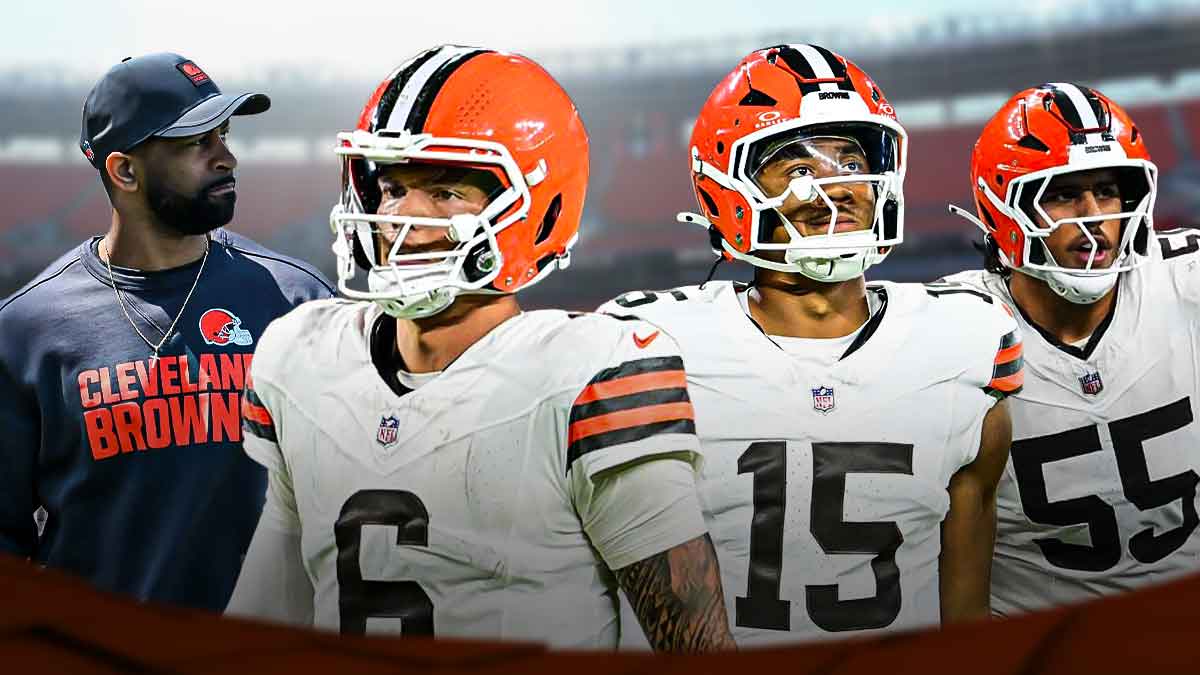
The Cleveland Browns had every reason to be aggressive at the 2026 NFL Trade Deadline. They were 5-4, firmly in the AFC playoff conversation. They had already shown an ability to win games in dramatic fashion. Yet, when the deadline passed, Cleveland had made no moves. That decision could prove costly. The Browns have a one glaring weakness that may undermine everything they have accomplished: their offensive line. With Deshaun Watson and Shedeur Sanders taking an alarming number of hits and the schedule getting tougher, general manager Andrew Berry missed a valuable opportunity to address their biggest issue.
Chaotic good
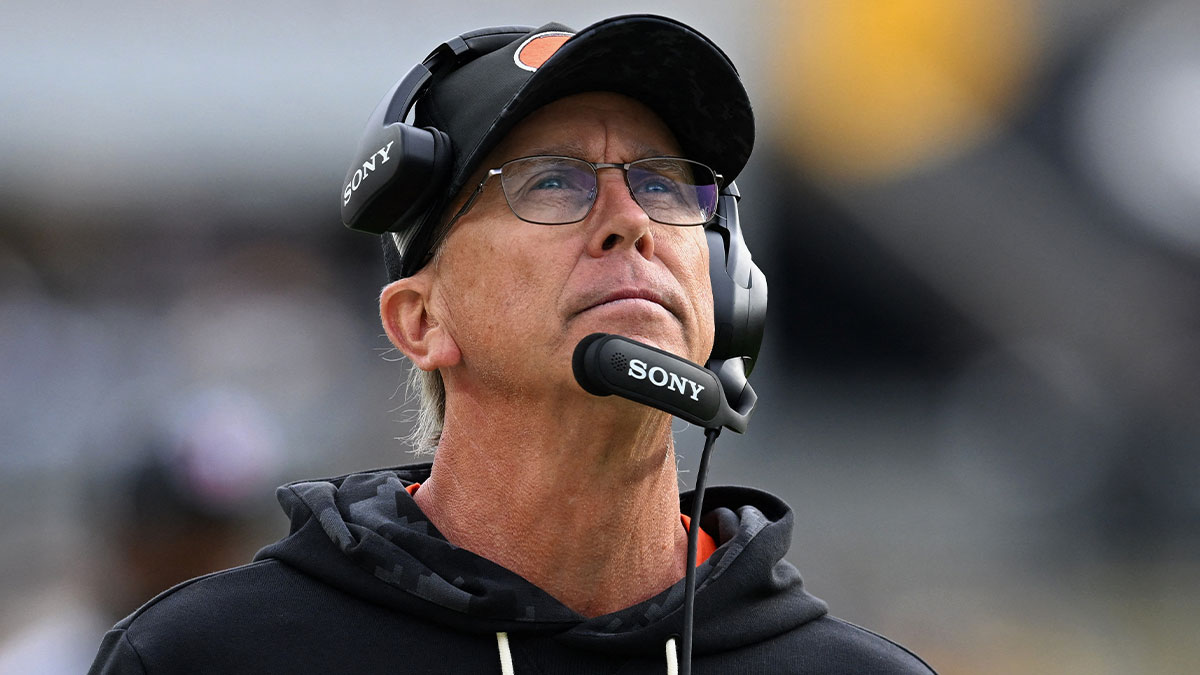
Through the first nine weeks, Cleveland's 2026 campaign has been an exhilarating, chaotic ride. After an opening loss in Jacksonville, head coach Todd Monken helped rally the locker room. Watson engineered five games featuring fourth-quarter go-ahead drives. Andre Szmyt's clutch kicking and the emergence of perimeter playmakers KC Concepcion and Denzel Boston have helped keep the Browns competitive. However, the offensive line has been a recurring liability. Cleveland has surrendered a league-high 38 sacks. An eight-sack beating in Pittsburgh sent Watson into concussion protocol. That forced Sanders into the starting lineup against New Orleans. Sanders responded with 297 passing yards and two touchdowns, including late scoring strikes to Concepcion and Harold Fannin Jr. However, Cleveland ultimately fell 23-22 in overtime after failing to convert a two-point attempt.
Embattled offensive front
Cleveland's biggest mistake was refusing to acquire immediate reinforcement for its pass protection. The Browns have spent much of the season allowing opposing defenses to dictate the terms of engagement. Defensive coordinators know they can force the quarterback into uncomfortable situations. The result has been an offense that too often operates under duress.
There is no question that finding a quality starting tackle at the trade deadline is difficult. Still, Berry had other avenues to improve their protection. A dependable blocking tight end could have made an immediate difference. Fannin is a dynamic receiving weapon. However, Cleveland should not have to sacrifice his downfield impact by constantly asking him to function as an extra offensive tackle. Adding a physical inline blocker would have given Monken more flexibility to chip edge rushers as well. That would have created cleaner running lanes for Quinshon Judkins.
Ignoring a golden opportunity
What makes the Browns' inaction even more frustrating is that they had assets that could have been converted into help. Cleveland carried four quarterbacks. They had Watson, Sanders, Dillon Gabriel, and Taylen Green.. Meanwhile, teams around the league were searching for quarterback depth. The Browns could have explored whether one of their reserves had enough value to bring back a useful offensive contributor or additional draft capital.
Jerry Jeudy was another potential trade chip. His role had diminished as Concepcion, Boston, and Fannin became increasingly prominent parts of the passing attack. Through nine games, Jeudy had just 28 targets. That's compared with 60 for Boston, 55 for Concepcion and 53 for Fannin.
Moving Jeudy would not automatically have solved the offensive line problem. However, a mid-round selection could have been used to pursue additional protection or help replenish the roster. Berry did not need to dismantle the team or mortgage its future. He simply needed to recognize that the Browns had a surplus in certain areas and an urgent shortage in another.
AFC gauntlet

The consequences of standing pat could arrive immediately. Cleveland's Week 10 opponent, the Houston Texans, just tied a franchise record with eight sacks against the Los Angeles Chargers. Will Anderson Jr. and the rest of Houston's defensive front will have every reason to attack the Browns' protection.
Cleveland has demonstrated that it can overcome adversity. Its comeback wins, defensive resilience, and emerging offensive playmakers make them so competitive. That said, determination cannot consistently compensate for structural problems. Every additional hit risks disrupting the offense. These limit the running game and put the quarterback's health in jeopardy.
The Browns needed a pragmatic trade to improve their chances. By failing to add protection or turn surplus assets into meaningful help, Berry left a dangerous weakness untouched. Cleveland may still reach the postseason, but its biggest deadline mistake could be the one that prevents it from getting there.