
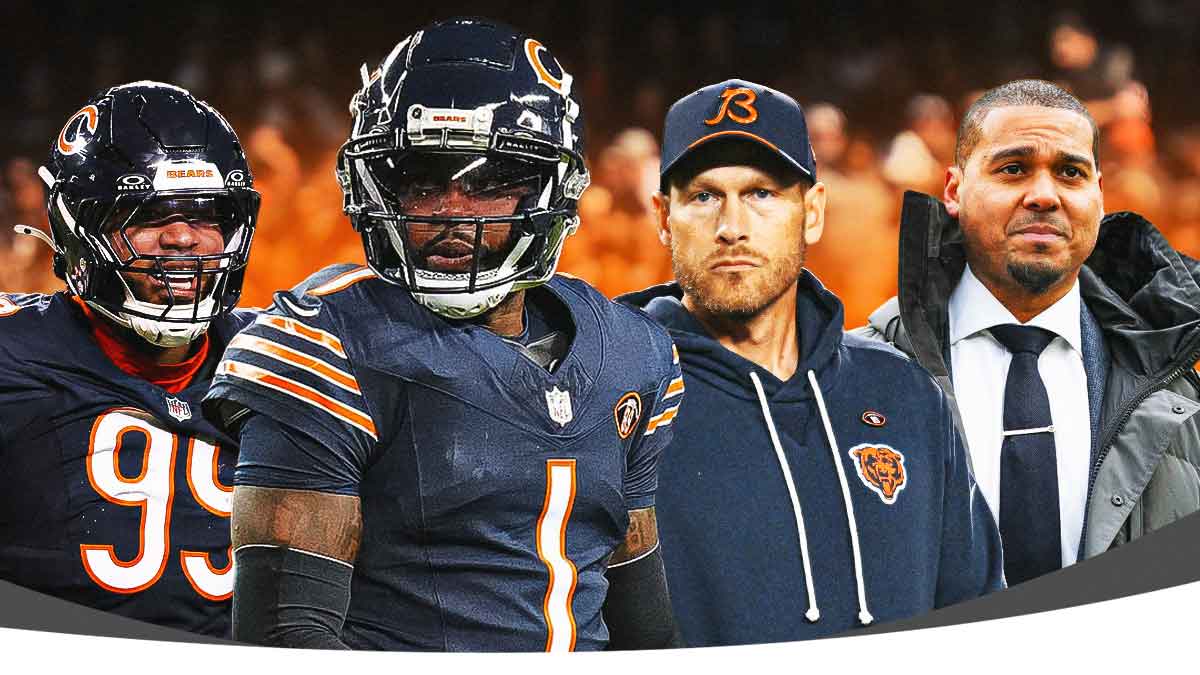
The Chicago Bears made one of the boldest moves of the 2026 NFL season when they acquired All-Pro defensive tackle Jeffery Simmons from Tennessee. However, even a blockbuster addition cannot fix every weakness on a roster. Chicago strengthened its defensive front but failed to address a vulnerable secondary. With the NFC playoff race heating up, the Bears' biggest mistake at the trade deadline may have been assuming Simmons alone was enough to complete their defensive transformation.
Up and down we go
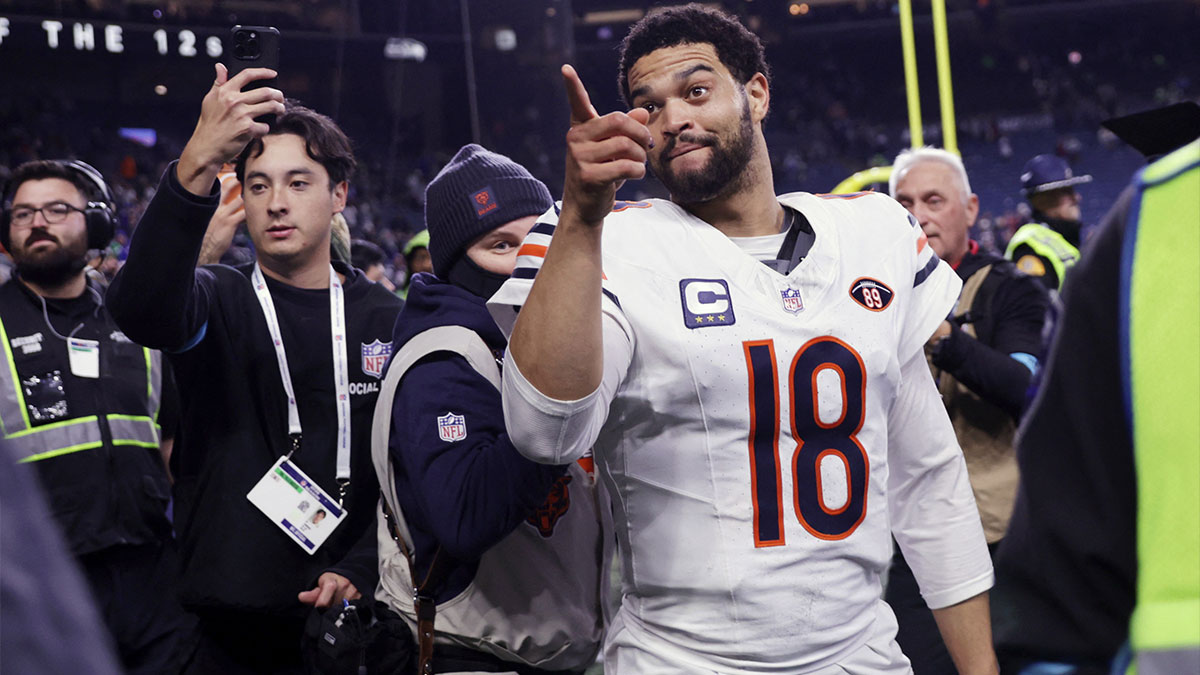
Chicago's 2026 campaign has already been an exhilarating rollercoaster. The Bears now sit at 7-2 atop the NFC North following a gritty 27-24 prime-time victory over Tampa Bay. After opening with a historic scoring explosion in Carolina, Chicago weathered a three-game absence from Caleb Williams. The Bears have since won four consecutive games. Williams has rediscovered his rhythm through explosive connections with Rome Odunze and Luther Burden III. Simmons has also made an immediate impact alongside Montez Sweat. They have given Dennis Allen's defense a much-needed interior presence. However, the five-turnover scare against Tampa Bay exposed a secondary still needs more dependable depth on the perimeter.
Dangerously thin secondary
Poles deserves credit for recognizing that the defensive line needed a difference-maker. Simmons is precisely that kind of player. Chicago surrendered its 2027 and 2028 first-round selections, along with a 2027 fourth-rounder, to acquire the four-time Pro Bowler. The Bears also received a 2028 fifth-round pick in return. It was a massive investment. Simmons' ability to collapse the pocket and command double teams has already made the Bears more dangerous up front.
Unfortunately, the same urgency was not applied to the cornerback position. Jaylon Johnson remains an elite presence when healthy. Kyler Gordon's return from the physically unable to perform list has helped stabilize the slot. However, Chicago still needs reliable options outside those two. Tyrique Stevenson, Cam Lewis. and Josh Blackwell provide depth. Asking that group to consistently handle high-level receivers in critical situations, though, is a risky proposition.
The numbers reinforce the concern. Through nine games, Chicago ranked 27th in passing yards allowed per attempt. They have surrendering 7.49 yards per throw. The defense has been effective in several important situations. That said, opponents have still found opportunities to attack downfield. Simmons can shorten the time quarterbacks have to throw. Pressure, though, does not automatically eliminate coverage breakdowns.
That is why a cornerback addition should have been the next priority. Chicago had reportedly explored the market. Riq Woolen, Donte Jackson, Alontae Taylor, and Nahshon Wright were among those discussed as potential options. Even a dependable veteran capable of rotating into the lineup could have given Allen more flexibility. Instead, the Bears entered the stretch run without addressing one of their most obvious roster vulnerabilities.
All-in championship window
The Simmons blockbuster fundamentally changed Chicago's organizational timeline. By surrendering two future first-round picks, the Bears were prioritizing the present over the long-term security. That is a defensible strategy for a team with a 7-2 record and a developing franchise quarterback. Their offense has also proven they can score with almost anyone.
However, going all-in requires identifying the remaining weaknesses and addressing them before the postseason. Simmons gives Chicago a legitimate interior disruptor. Still, his presence is most effective when the rest of the defense can capitalize on the pressure he creates. If opposing quarterbacks can quickly identify favorable matchups outside, they can neutralize some of that advantage with quick throws and perimeter isolation routes.
The Bears also had a reason to be aggressive because their NFC North competition remains formidable. Detroit has the offensive firepower to punish coverage mistakes. Green Bay and Minnesota possess passing attacks capable of testing Chicago's defensive depth. A postseason matchup against any of those teams could expose their secondary's gaps.
For Poles, a reasonable veteran acquisition could have provided meaningful insurance. Instead, Chicago appeared content to trust its existing personnel and preserve what remained of its draft capital.
Job unfinished
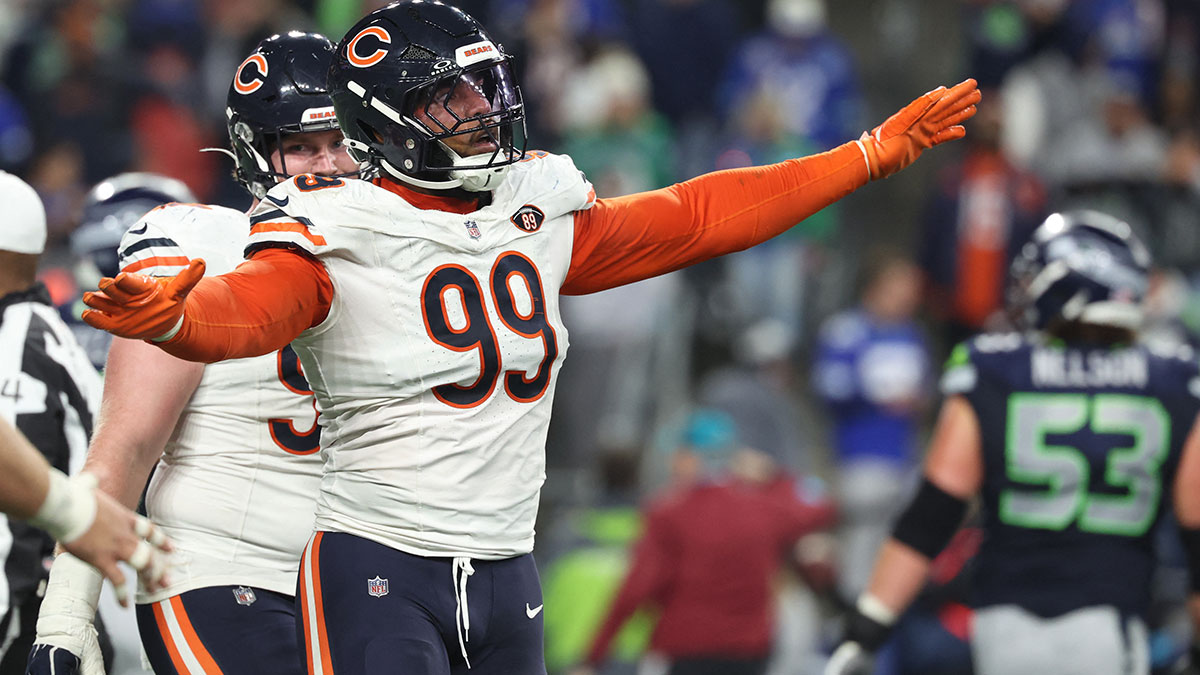
The Bears should feel encouraged by what Simmons has brought to the defense. His arrival has given Sweat more favorable matchups. This has helped Allen generate pressure without relying exclusively on elaborate blitz packages. That is precisely the impact Chicago envisioned when it made the blockbuster deal.
Of coursse, championship teams must address their weaknesses as aggressively as they celebrate their strengths. Chicago strengthened its defensive interior while leaving its cornerback depth largely untouched. If that decision becomes the difference in a crucial January matchup, the Simmons trade will not be enough to justify the missed opportunity. The Bears are legitimate contenders who still need to finish the job.