
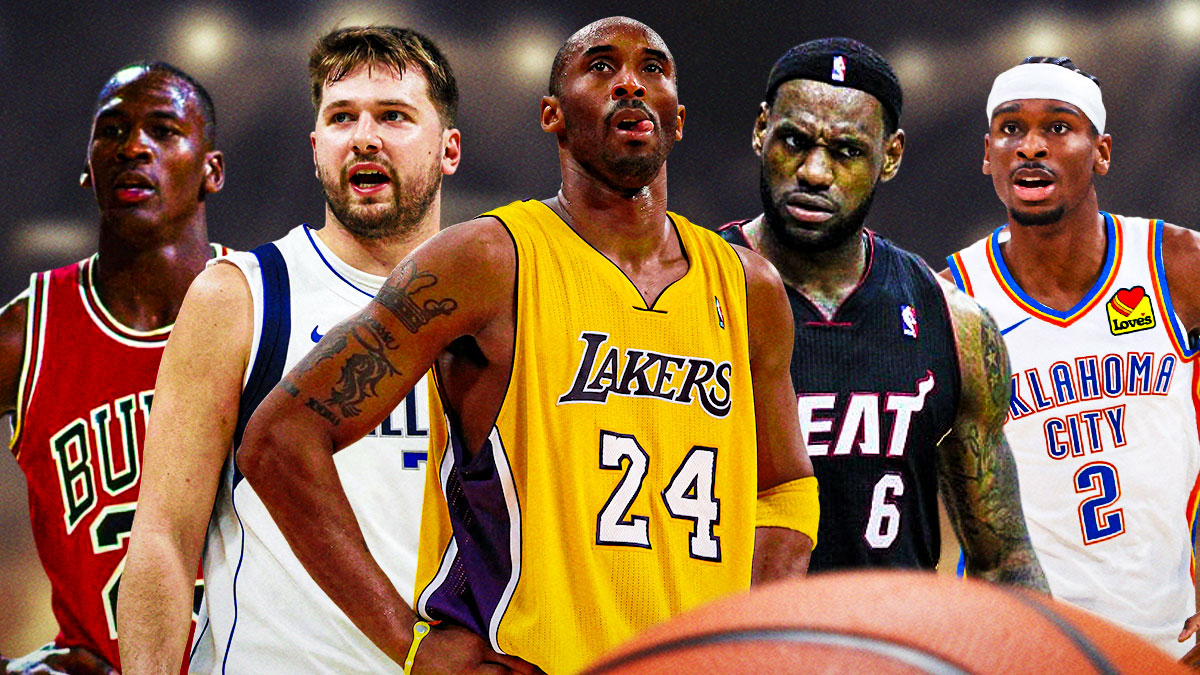
The 2026-27 NBA season is currently in full swing. With every NBA team stacked with talent, there's no doubt that this new basketball season will once again open the doors for moments of greatness. For this piece, let's take a look at the 30 most dominant NBA seasons by a single player.
Kobe Bryant (2005-06)
There's a good reason Kobe Bryant was widely considered the favorite to win the 2006 NBA MVP award. He averaged a league-best 35.4 points per game, along with 5.3 rebounds and 4.5 assists per outing. The Black Mamba made waves this season, especially after dropping 81 points against the Toronto Raptors, which is the second-highest total by a player in a single game.
Oscar Robertson (1961-62)
Oscar Robertson electrified the 1961-62 season while playing for the Cincinnati Royals. The Big O averaged the first triple-double season in NBA history. Robertson put up 30.8 points, 12.5 rebounds, and a league-leading 11.4 assists per game. His efforts were enough to place him third in the MVP race.
Luka Doncic (2023-24)

Arguably considered the best season of Luka Doncic's career thus far, the Slovenian star dominated for the Dallas Mavericks. He averaged a career-high 33.9 points per game to bring home his first NBA scoring title and also tallied 9.2 rebounds and 9.8 assists per contest. His efforts continued in the postseason, leading the Mavs to their first Finals appearance since 2011.
Bill Walton (1976-77)
Although the 1977-78 season was his MVP year, many basketball fans will agree that the season prior magnified Bill Walton's importance to the Portland Trail Blazers. Controlling the game from the post, Walton dominated by averaging 18.6 points and league-high numbers of 14.4 rebounds and 3.2 blocks per game. He earned All-NBA Second Team and All-Defensive Team honors, but more importantly, Walton led the Blazers to an NBA title that year.
Dwyane Wade (2008-09)
Dwyane Wade was the face of the Miami Heat for several years. One of his brightest moments with the franchise came in the 2008-09 season, when he averaged a personal-best 30.2 points per game to lead all scorers in the NBA. His career game also came from the same year, finishing with 55 points on 19-of-30 shooting from the field to propel the Heat to a 122-105 win over the New York Knicks.
Karl Malone (1989-90)
Karl Malone was one of the best power forwards the NBA has ever seen. In fact, the 1989-90 season saw Malone prove not only his durability, but also his impact. He finished top-5 in the MVP race, thanks to averages of 31.0 points and 11.1 rebounds per game. His scoring average ranked second in the league, including a 61-point masterclass against the Milwaukee Bucks.
David Robinson (1993-94)
David Robinson is a name that holds a special place in San Antonio Spurs fans' hearts. After all, he helped the franchise win two NBA championships. Robinson was also an integral piece in the Spurs' biggest runs.
Prior to his MVP season, Robinson had already made waves in the league, averaging 29.8 points per game and bringing home the NBA scoring title. He also averaged 10.7 rebounds and 3.3 rejections per contest, but what made that year stand out was his 71-point outing against the Los Angeles Clippers to close out the season.
James Harden (2018-19)
Since James Harden joined the Houston Rockets, The Beard evolved from a Sixth Man to an MVP-caliber player. After his MVP season, Harden followed through with another historic 2018-19 season, where he brought home his second straight scoring title by putting up 36.1 points per game, which is the highest single scoring average by any Rockets player.
Giannis Antetokounmpo (2019-20)
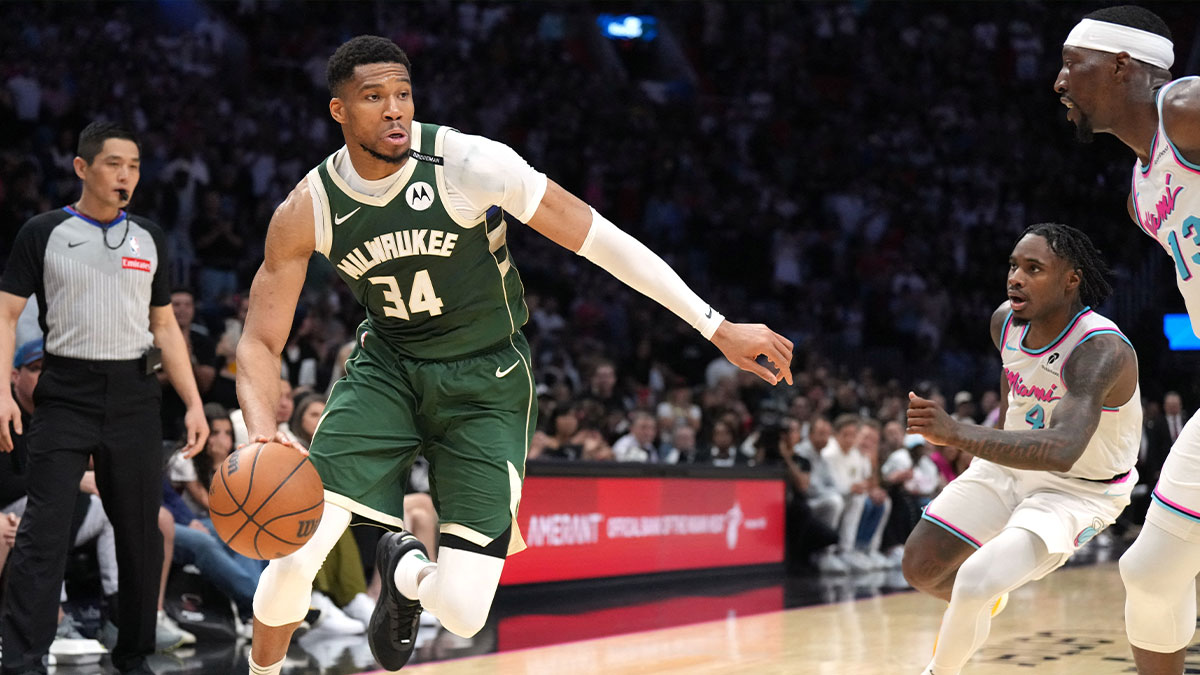
The Milwaukee Bucks placed their investments on the shoulders of Giannis Antetokounmpo, and boy, did the dividends pay off by ten-fold when the Greek Freak took over the NBA.
After winning his first NBA MVP, Giannis never slowed down. He collected his second straight MVP Award the following season, averaging 29.5 points, 13.6 rebounds, and 5.6 assists per game. He led the league in defensive rebounds with 11.4 per game before bringing home the Defensive Player of the Year Award. He joined Michael Jordan and Hakeem Olajuwon as the only players to win both awards in the same season.
Shai Gilgeous-Alexander (2024-25)
It's safe to say the Oklahoma City Thunder won the Paul George trade that landed them Shai Gilgeous-Alexander.
In the 2024-25 season, SGA showcased his MVP form by putting up a league-best 32.7 points, 5.0 rebounds, and 6.4 assists per game. SGA also led the league in free-throw makes per game with 7.9. Thanks to SGA's fine play, the Thunder would rule the Western Conference with a 68-14 record and go all the way to win the 2025 NBA title.
Moses Malone (1981-82)
There's no doubt that Moses Malone had his career-best season in 1981-82. The former Houston Rockets star stuffed the stat sheet nightly, averaging 31.1 points and a league-leading 14.7 rebounds per game, with his 6.9 offensive rebounds per game also leading the NBA. Naturally, Malone was easily crowned the 1982 MVP Award winner, the second of three in his career.
Julius Erving (1975-76)
Julius Erving is considered one of the greatest players in NBA history, especially during the NBA-ABA merger. He had his best year with the New York Nets during the 1975-76 season, averaging 29.3 points, 11.0 rebounds, and 5.0 assists per game. Defensively, he also made an impact by tallying 2.5 steals and 1.9 blocks per game.
Charles Barkley (1992-93)
Despite being undersized at the frontcourt, Charles Barkley proved that he can be a menace for opposing big men. In fact, as the centerpiece of the Phoenix Suns, Barkley averaged 25.6 points, 12.2 rebounds, and 5.1 assists per game to earn his first and only MVP Award. His presence helped Phoenix finish the season with 61 wins, but more importantly, the Suns also made an NBA Finals appearance.
Kevin Garnett (2003-04)
Speaking of power forwards, Kevin Garnett established himself as one of the best in 2003-4.
The former Minnesota Timberwolves star had a solid MVP season in 2003-04, averaging 24.2 points, 2.2 blocks, and a league-high 13.9 rebounds per game. Garnett also led the NBA in total points that season. His relentless effort also helped Minnesota reach the Western Conference Finals.

Tim Duncan (2001-02)
Besides David Robinson, another name close to the hearts of San Antonio Spurs fans is Tim Duncan. With Robinson's career coming to a close, Duncan was clearly the next face of the franchise, and he didn't disappoint.
Duncan showed peak form in the 2001-02 season, averaging a career-high 25.5 points, 12.7 rebounds, and 2.5 blocks per game. He also led the NBA in defensive boards with 9.4 a game. As a result, he was crowned the 2002 NBA MVP.
Magic Johnson (1986-87)
Many basketball fans agree that Magic Johnson reached peak form in the 1986-87 season. He averaged a career-high 23.9 points and led the league in assists by dishing out 12.2 per game. Thanks to his play, which helped the Purple and Gold race to 65 wins, Johnson earned his first NBA MVP honors. Furthermore, he also helped the Los Angeles Lakers win the 1987 title.
Larry Bird (1984-85)
Larry Bird was the focal point of the Boston Celtics dynasty in the 80s. After winning his first NBA MVP, Bird continued with his rampage in the following season.
The then-Celtics star averaged 28.7 points, 10.5 rebounds, and 6.6 assists per game. Bird also stamped his class by winning MVP honors, highlighted by a 60-point explosion at the expense of the Atlanta Hawks.
George Mikan (1950-51)
In the NBA's early days, George Mikan was easily a force to be reckoned with to the point where some could even argue he was the face of the league.
Standing at 6-foot-10, Mikan was unstoppable down low. In fact, he had his best year with the Minneapolis Lakers in the 1950-51 season, averaging 28.4 points, 14.1 rebounds, and 3.1 assists per game. He would have been crowned MVP, but the award didn't exist yet.
Shaquille O'Neal (1999-00)
After ditching the Orlando Magic, Shaquille O'Neal was the prized signing of the Los Angeles Lakers. Forming a dominant duo with Kobe Bryant, the Lakers would go on to have a three-peat run.
To kick things off, O'Neal carved out an MVP season, averaging a league-high 29.7 points to go along with 13.6 rebounds and 3.0 blocks per game. To make matters more interesting, the Big Diesel nearly won his MVP award in unanimous fashion.
LeBron James (2012-13)
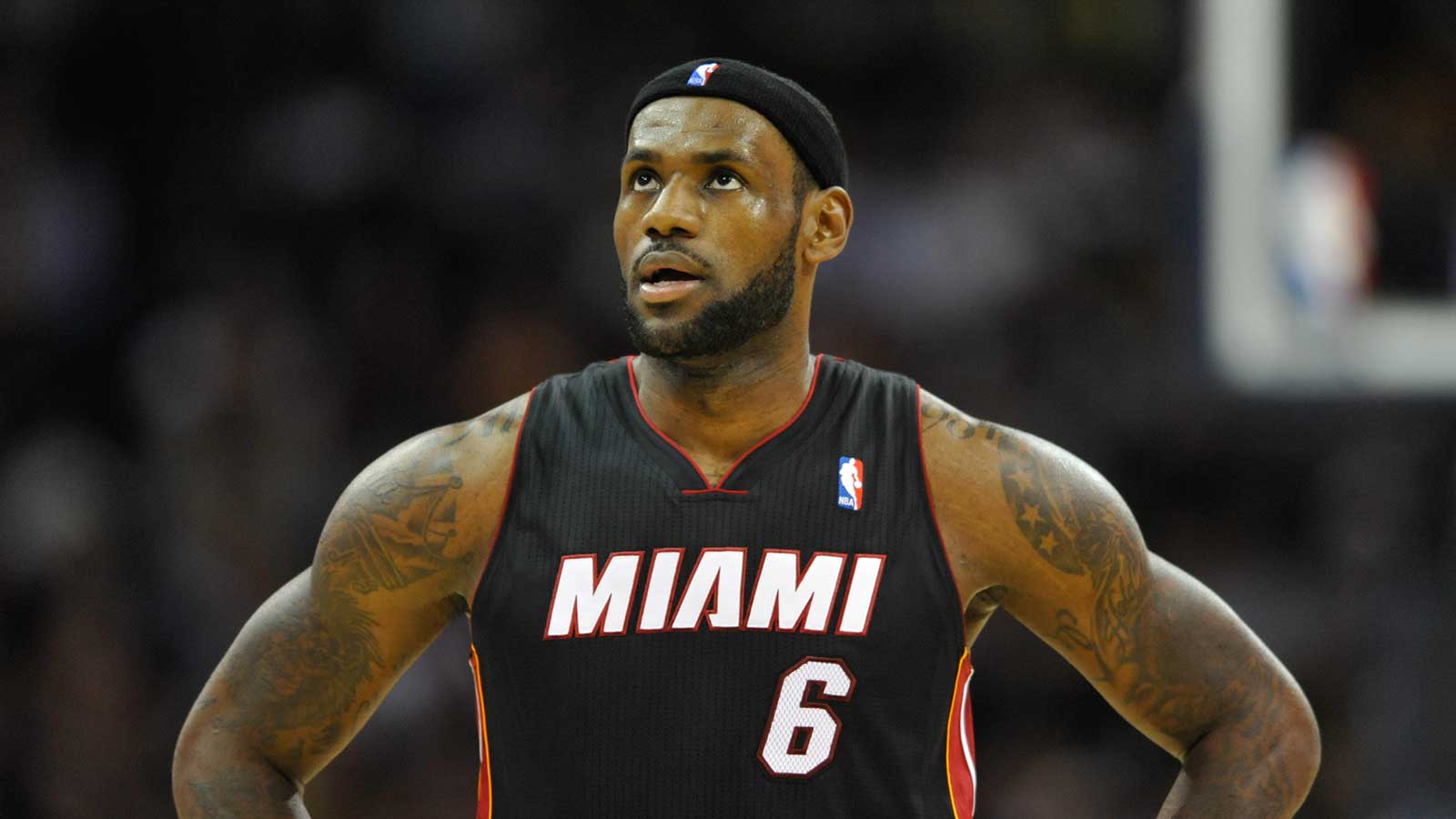
Many regard LeBron James as the best basketball player in the world and for good reason. With so many accolades under his belt, it's certainly difficult to handpick his most dominant season. However, the 2012-13 campaign certainly stands out from the rest.
While playing for the Miami Heat in his third year, James averaged 26.8 points, 8.0 rebounds, and 7.3 assists per game. His all-around prowess was on full display, especially coming off his first NBA title. The Heat would march to another NBA championship that year, with James collecting his fourth NBA MVP and second Finals MVP.
Kevin Durant (2013-14)
Kevin Durant is one of the best scoring forwards in NBA history. However, his rise to the elite ranks was due to his standout performance in the 2013-14 season. Durant averaged a career-high 32.0 points, 7.4 rebounds, and 5.5 assists per game to earn his first and only MVP Award. The current Houston Rockets star not only turned heads with his game but also made a loving speech of gratitude to his mother.
Steve Nash (2005-06)
Although Kobe Bryant made a strong case for the 2006 NBA MVP, Steve Nash ultimately won the award in back-to-back fashion.
While some fans were furious, Nash did make a good case for himself to earn his second MVP Award. The former Suns guard averaged 18.8 points and a league-best 10.5 assists per game while tallying a 50-40-90 shooting split.
Russell Westbrook (2016-17)
Article Continues BelowRussell Westbrook undoubtedly had a historic 2016-17 season. The former Oklahoma City Thunder star registered the first triple-double season in 55 years, which was previously achieved by Oscar Robertson. Westbrook averaged a league-best 31.6 points, 10.7 rebounds, and 10.4 assists per game.
Nikola Jokic (2025-26)
Another player who's making waves in the triple-double department is Denver Nuggets star Nikola Jokic, coincidentally a former teammate of Russell Westbrook. Like Westbrook, Jokic has also averaged a triple-double across multiple seasons.
And just in the 2025-26 season, the Nuggets center dominated, averaging 27.7 points and league-leading numbers of 12.9 rebounds and 10.7 assists per game. But despite his dominance, the three-time MVP only finished as a runner-up to Shai Gilgeous-Alexander.
Michael Jordan (1987-88)
Aside from Giannis Antetokounmpo, the first NBA player to win MVP and Defensive Player of the Year in the same season was the GOAT, Michael Jordan. The former Chicago Bulls star dominated on both ends of the floor by putting up 35.0 points to go along with 3.2 steals per game, both of which led the league.
Kareem Abdul-Jabbar (1971-72)
Although Kareem Abdul-Jabbar won most of his championships with the Los Angeles Lakers, he started his dominance with the Milwaukee Bucks.
Abdul-Jabbar had a dominant 1971-72 season, infamously helping the Bucks end the Lakers' historic 33-game winning streak with a 39-point, 20-rebound performance. Abdul-Jabbar ended the year with career-best averages and a league-leading 34.8 points per game. He also tallied 16.6 rebounds per game.
Bill Russell (1963-64)
When it comes to the most dominant centers in NBA history, Bill Russell has to be up there. And of course, his 1963-64 season numbers were simply dominant. The former Boston Celtics legend averaged 15.0 points and a league-leading 24.7 rebounds per game. Russell controlled the paint, helping Boston race to 58 wins to lead all teams. But even with a dominant stat line, Russell finished only third in the MVP race.

Stephen Curry (2015-16)
After leading the Golden State Warriors to a historic 73-9 record, Stephen Curry was named the unanimous NBA MVP of the 2015-16 season. After all, he fired a league-best 30.1 points per game and led the NBA in steals with 2.1 per game.
Furthermore, Curry got a lot of his points from rainbow country, making 5.1 per game, which was also good for the league leader. The Warriors star also converted his long-range bombs efficiently, hitting 45.4%.
Hakeem Olajuwon (1993-94)
With Michael Jordan retiring in 1993, the league became a free-for-all. However, it was Hakeem Olajuwon and the Houston Rockets who capitalized. Olajuwon had an elite 1993-94 season, averaging 27.3 points, 11.9 rebounds, and 3.7 rejections per game.
It was a decorated campaign for the Rockets center, who became the second player to win NBA MVP and Defensive Player of the Year in the same season. If that wasn't enough, Olajuwon even led Houston to an NBA Championship in the same year for his first Finals MVP.
Wilt Chamberlain (1961-62)
When it comes to dominance, Wilt Chamberlain's 1961-62 season is nearly impossible to top. Playing for the then-Philadelphia Warriors, Chamberlain averaged 50.4 points, 25.7 rebounds, and 2.4 assists per game. It was the same year that saw him drop an NBA record of 100 points in a single game against the New York Knicks, numbers it's hard to believe anyone could ever replicate.