
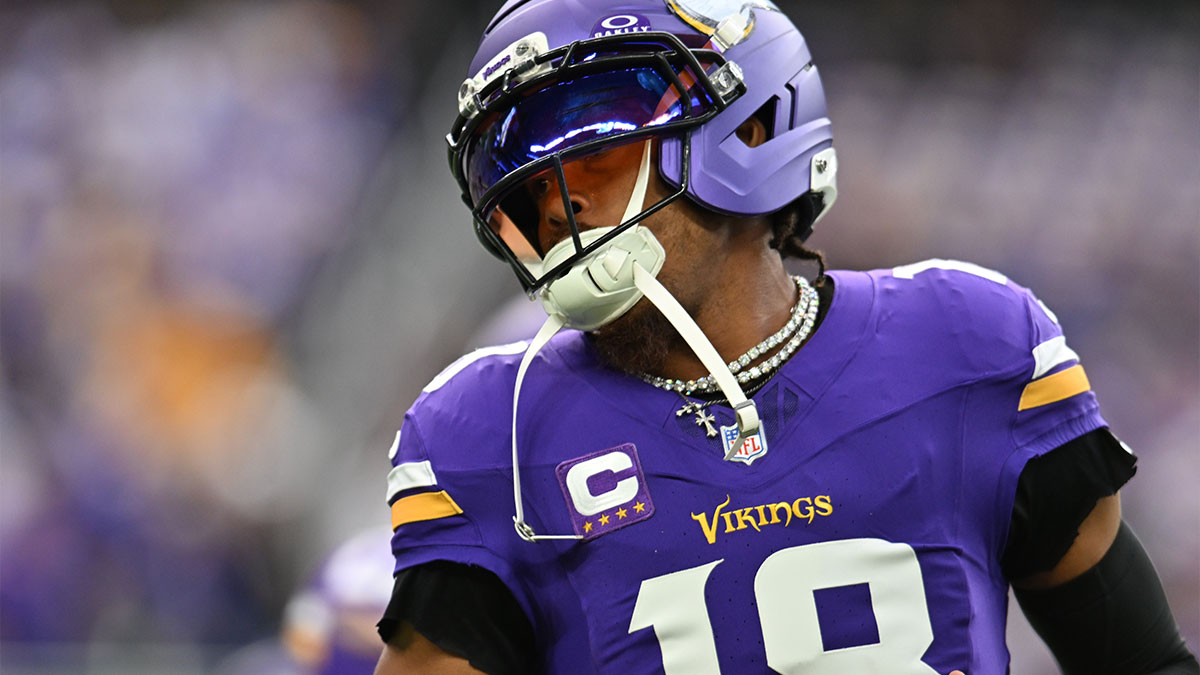
The Minnesota Vikings suffered their first loss of the 2026 season on Sunday, falling 19-15 to the Detroit Lions. The result highlighted a problem that had developed during their six-game winning streak. Justin Jefferson recorded five receptions for 33 yards and a touchdown on nine targets, and he visibly expressed frustration with quarterback Kyler Murray before opting not to speak to reporters afterward.
Despite the loss, the Vikings remain 6-1, making a quarterback change seem drastic for a team currently leading the NFC North. However, Jefferson's declining production has become increasingly hard to overlook, especially with the trade deadline approaching on November 10 and the Vikings facing a challenging second half of the season.
While Murray has contributed to Minnesota's victories, his passing chemistry with Jefferson has been inconsistent. Head coach Kevin O'Connell must decide whether adjustments within the current offense can resolve this issue or if another experienced quarterback might provide a more reliable option.
There are three potential trade targets worth considering, although their availability, acquisition costs, and suitability for the Vikings vary significantly.
3. Jacoby Brissett, Arizona Cardinals
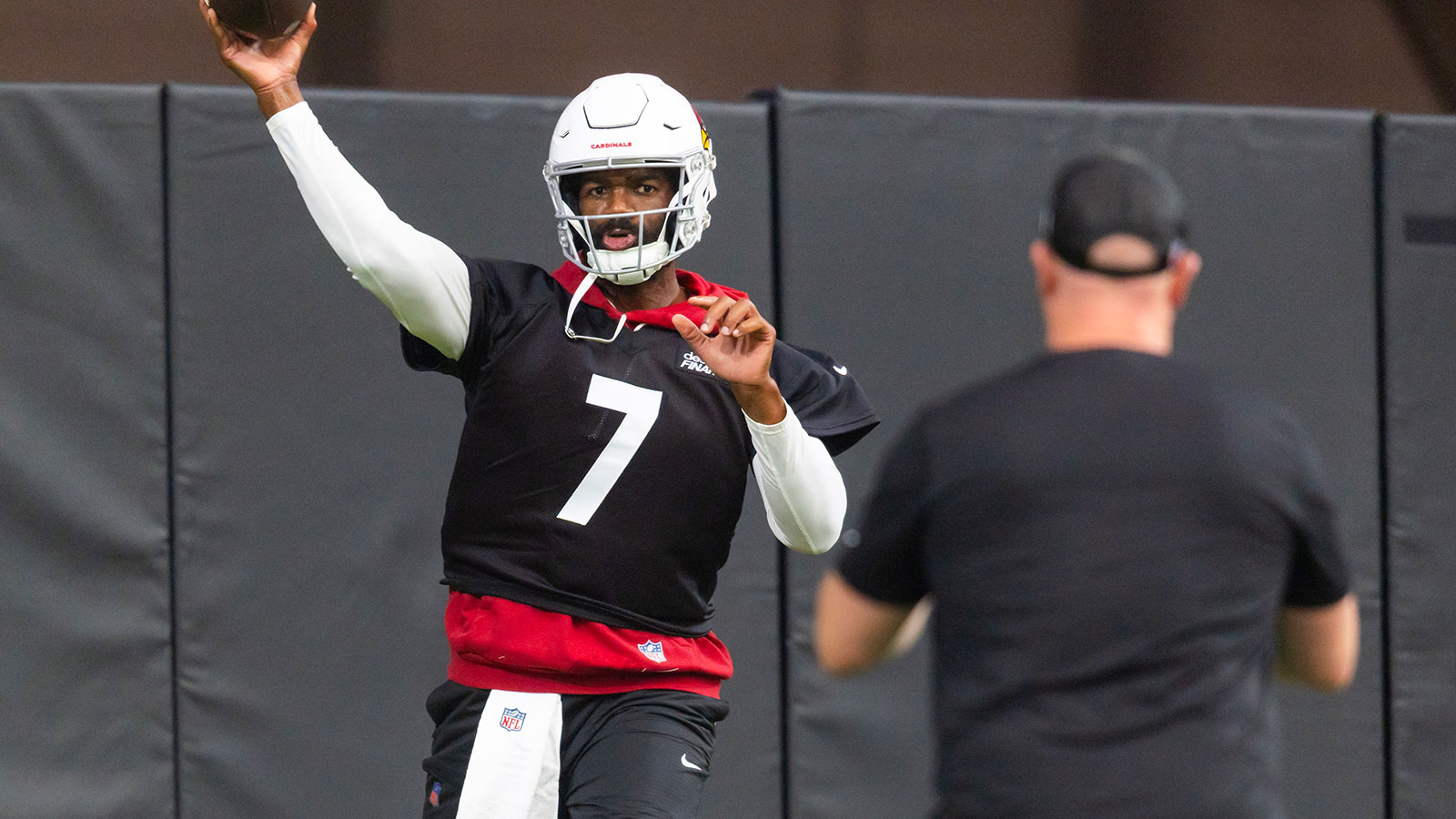
Jacoby Brissett entered Week 8 as the starting quarterback for Arizona but came out of Sunday’s dramatic overtime victory against Dallas with his future looking less secure. The veteran completed only 10 of 23 passes for 119 yards and one interception before head coach Mike LaFleur replaced him with Gardner Minshew in the third quarter. Arizona subsequently erased a significant deficit and defeated the Cowboys 33-30, with Minshew throwing three touchdown passes.
This performance immediately raised questions about whether Brissett would keep his starting position, especially since Arizona has struggled to maintain consistent offensive production throughout the season. For Minnesota, this uncertainty could create an opportunity to acquire an experienced quarterback without giving up premium draft picks.
Brissett has played for several teams and has shown an ability to adapt to different offensive systems. His experience includes extended starting roles, providing him with familiarity with defensive adjustments, pre-snap communication, and the responsibilities associated with directing an NFL offense. These qualities would be valuable for a Vikings team that often relies on ball protection and allows its defense to control games.
Additionally, Brissett has experience working with talented receiving groups, and his willingness to attack intermediate routes could help establish a more reliable connection with Justin Jefferson. The Cardinals' passing attack has necessitated a high volume of passes at times this season, with Brissett frequently throwing more than 40 passes when Arizona has fallen behind.
His appeal primarily lies in his affordability and potential availability. If Arizona decides to stick with Minshew following Sunday's comeback, keeping an experienced quarterback as a backup would provide insurance while potentially allowing the team to recover some draft compensation.
Minnesota could consider offering a late-round pick as a starting point for negotiations, enabling the Vikings to enhance their quarterback depth without making a substantial investment. Brissett would not necessarily step in as the immediate starter; instead, his presence could foster competition and give O'Connell another option if Murray’s passing struggles continue. The Vikings should view Brissett as a relatively inexpensive contingency plan rather than the definitive solution to Jefferson's concerns.
2. Anthony Richardson, Indianapolis Colts
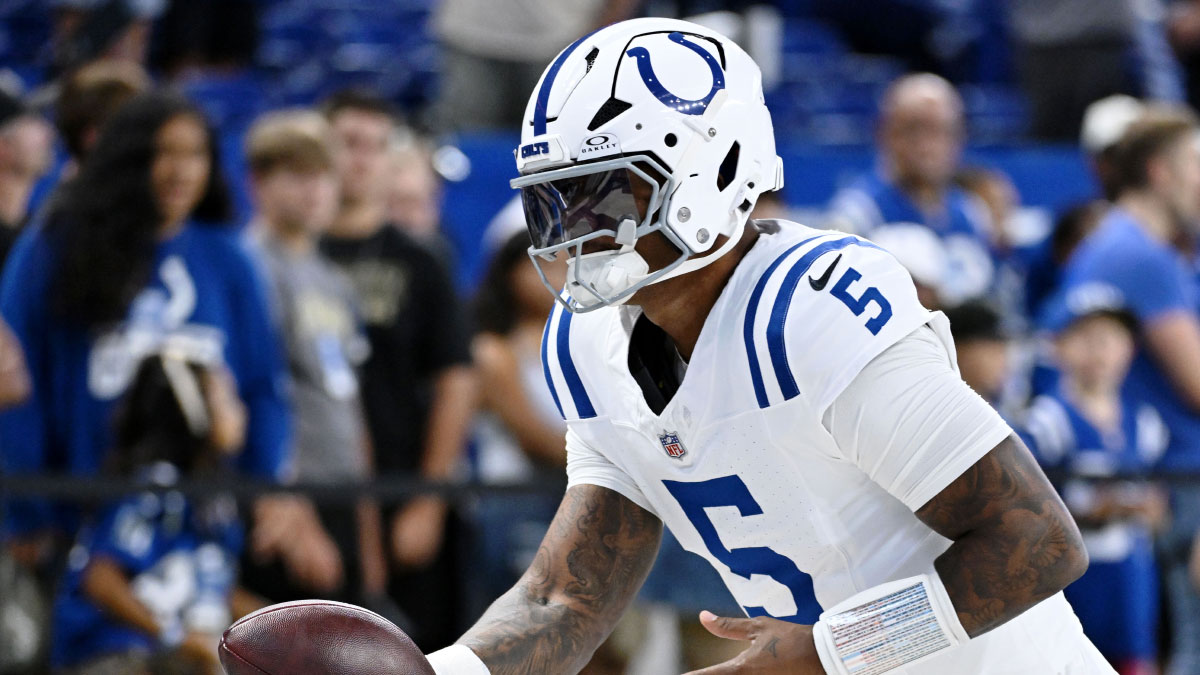
Anthony Richardson presents Minnesota with a unique opportunity, as his physical talent remains intriguing despite a rocky start to his NFL career. The former fourth overall pick entered the league with exceptional athletic ability, a strong throwing arm, and the potential to develop into a formidable dual-threat quarterback.
Unfortunately, injuries and inconsistent passing accuracy have disrupted his career, preventing him from establishing himself as the long-term starter for Indianapolis. The Colts eventually opted to commit to Daniel Jones, leaving Richardson to compete for a backup role during the offseason. As of September, he secured the second spot on the depth chart, but his earlier request for a trade indicated uncertainty about his future in Indianapolis.
Richardson’s situation could be particularly relevant as the trade deadline approaches, especially since the Colts have struggled to gain momentum this season and his arm strength would allow the Vikings to stretch the field and create more explosive opportunities for star receiver Justin Jefferson. His mobility would also enable Minnesota to maintain aspects of the rushing threat currently provided by running back Alexander Mattison.
That said, Richardson needs to improve his decision-making and accuracy to become a reliable starter, as these have been consistent issues throughout his career. His limited recent playing experience raises additional concerns; Minnesota cannot expect him to immediately master O’Connell’s system in the middle of a competitive season. The organization will have to weigh whether Richardson's developmental potential justifies the compensation needed to acquire him.
For a franchise already committed to Mattison, the decision would require careful thought. Acquiring Richardson would introduce competition without guaranteeing improved passing consistency, but his blend of physical talent and uncertain future makes him worth investigating.
1. Mac Jones, San Francisco 49ers
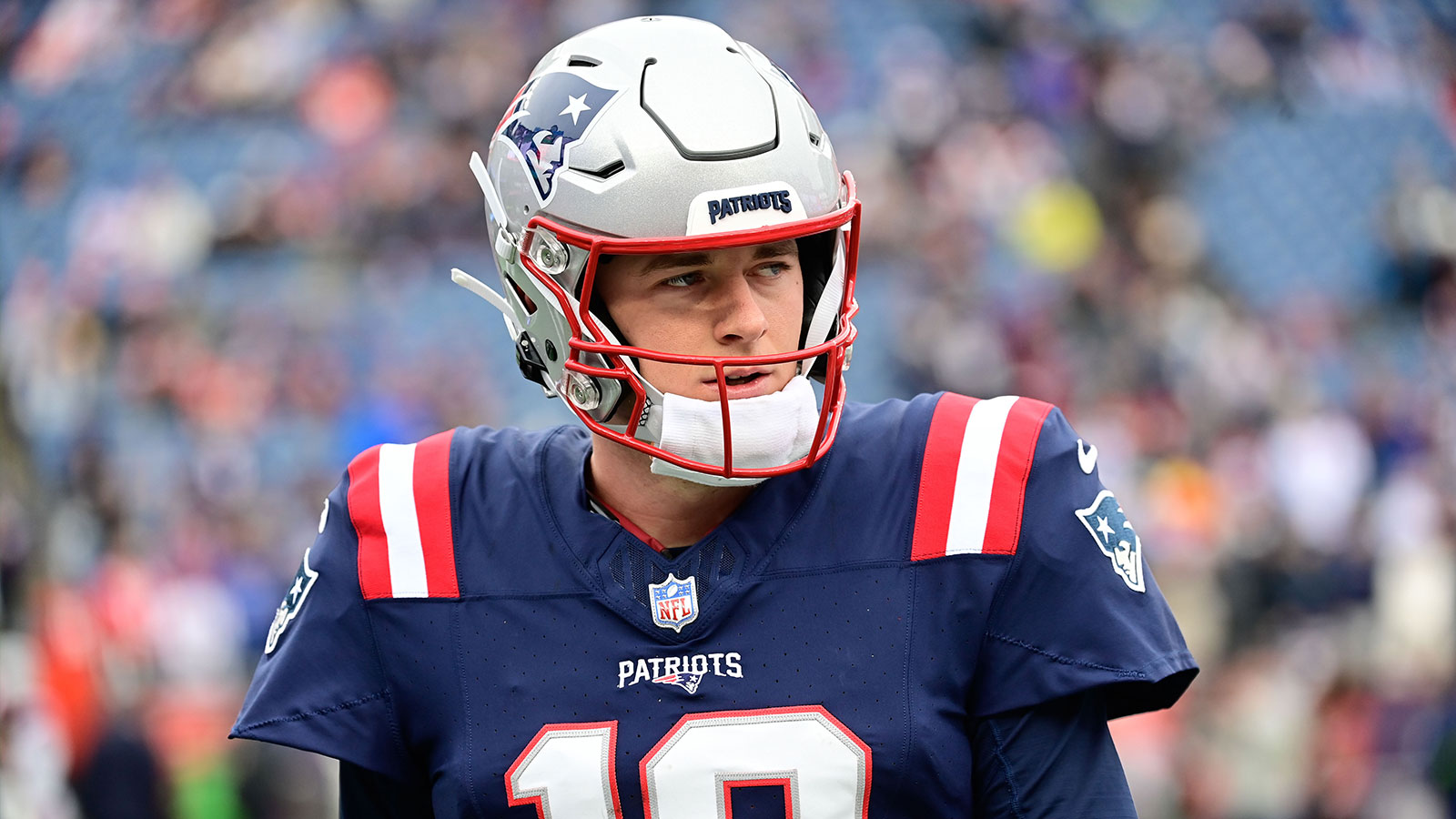
Mac Jones would be the most appealing option for the Minnesota Vikings if they prioritize improving their passing efficiency and providing Justin Jefferson with a quarterback who is comfortable operating within a structured offense. The former New England first-round selection has rebuilt his reputation in San Francisco, where he performed effectively during the 2025 season when Brock Purdy was unavailable.
Article Continues BelowJones finished the season with a 5-3 record as a starter, completing 69.6 percent of his passes while demonstrating improved efficiency within Kyle Shanahan's system. His performance showcased how productive he can become when working within an offense that emphasizes timing, defined reads, and opportunities created through design.
These characteristics could translate particularly well to Minnesota’s offense. Head coach Kevin O’Connell has built his reputation on creating favorable passing situations, using formations and route combinations to help quarterbacks identify openings before pressure develops. Jones would be familiar with many of these principles from his time in San Francisco, potentially allowing him to adapt more quickly than a quarterback coming from a significantly different offensive system.
Jefferson's strengths would also complement Jones' preferred style of play. The receiver excels at creating separation with precise routes, finding openings against zone coverage, and making difficult catches when quarterbacks deliver the ball accurately. Minnesota has struggled to consistently capitalize on those abilities this season, with quarterback Joshua Dobbs occasionally missing opportunities even when Jefferson creates separation.
Jones could provide a more traditional passing approach, allowing O’Connell to build offensive possessions around rhythm throws and sustained receiving production. However, it’s essential to acknowledge Jones' limitations. He does not possess Dobbs' rushing ability, and his earlier NFL performances showed how quickly his effectiveness can decline when protection breaks down. Minnesota would need to establish a dependable pocket and maintain offensive balance rather than expecting the quarterback to compensate for every protection mistake.
The Vikings would also need to consider the implications of acquiring another quarterback while Dobbs remains under contract and has helped lead them to six victories. While Jones would not automatically resolve every problem in Minnesota's offense, his familiarity with a timing-based system gives him a compelling edge among potential candidates.
Minnesota must decide how urgently it needs another quarterback
Jefferson's frustration should be a concern for the Vikings because their offensive limitations have persisted despite accruing victories. Minnesota's defense has provided a solid foundation for their successful start, but in order to compete against the strongest teams in the NFC, they will need more reliable passing production.
Brissett could offer affordable experience, Richardson presents developmental potential, and Jones is the most intriguing stylistic alternative for an offense built around Jefferson's receiving talents.