
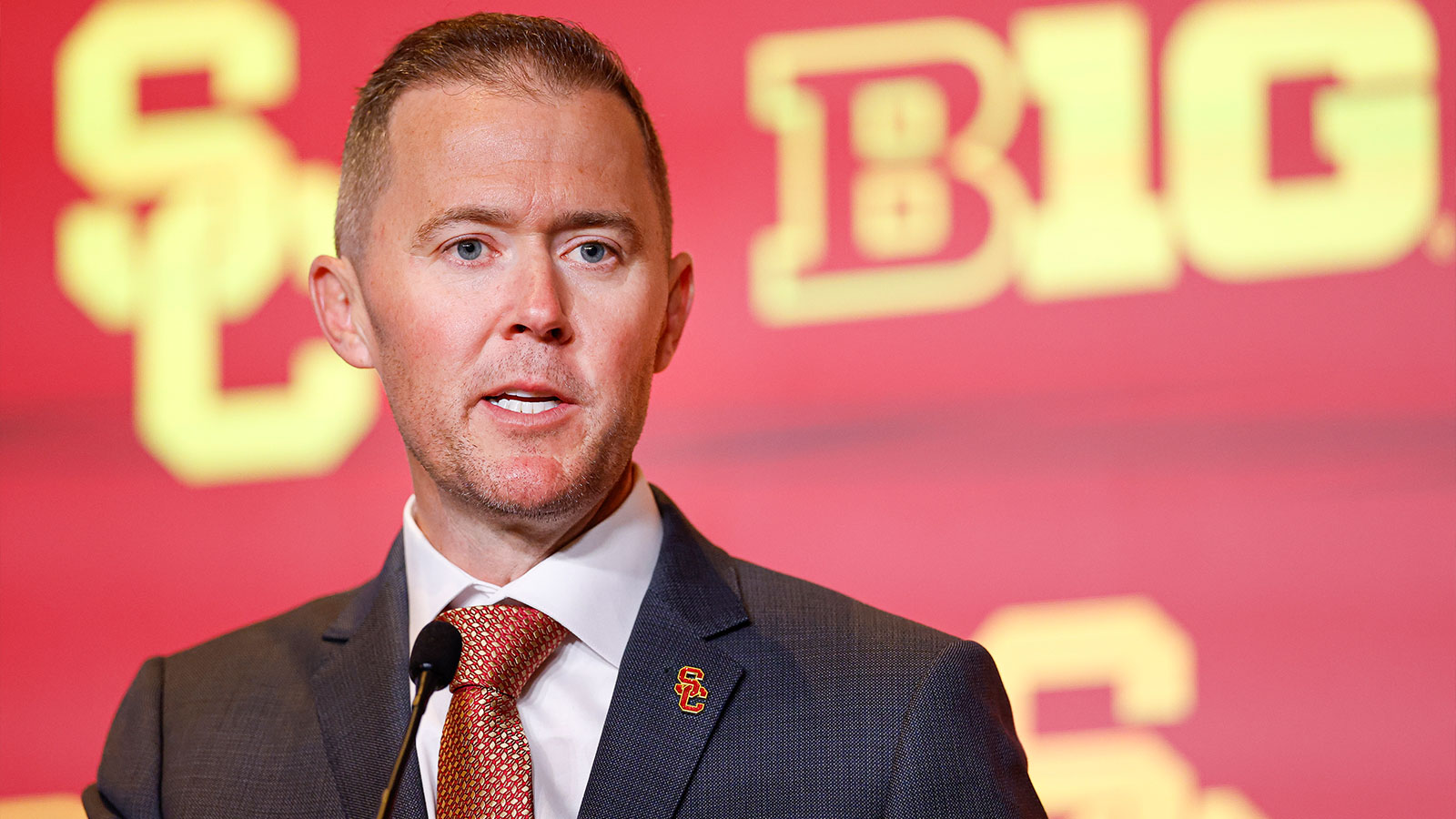
The No. 12 USC Trojans had every opportunity to announce themselves as a legitimate Big Ten contender Saturday night. Instead, they walked away from the Los Angeles Memorial Coliseum with another painful reminder that talent alone will not solve their biggest problems. USC football suffered a 41-27 loss to No. 20 Oregon in a game that was there for the taking. Unfortunateluy, the Trojans unraveled when the pressure reached its peak. Jayden Maiava did his part. He threw for 326 yards and two touchdowns. However, USC's defense once again wilted against a quality opponent. After battling through a competitive first half, the Trojans surrendered four consecutive second-half touchdown drives. Those allowed Oregon to turn a close contest into another frustrating chapter in Lincoln Riley's tenure. Several individual and collective failures contributed to USC's collapse, but three stood above the rest.
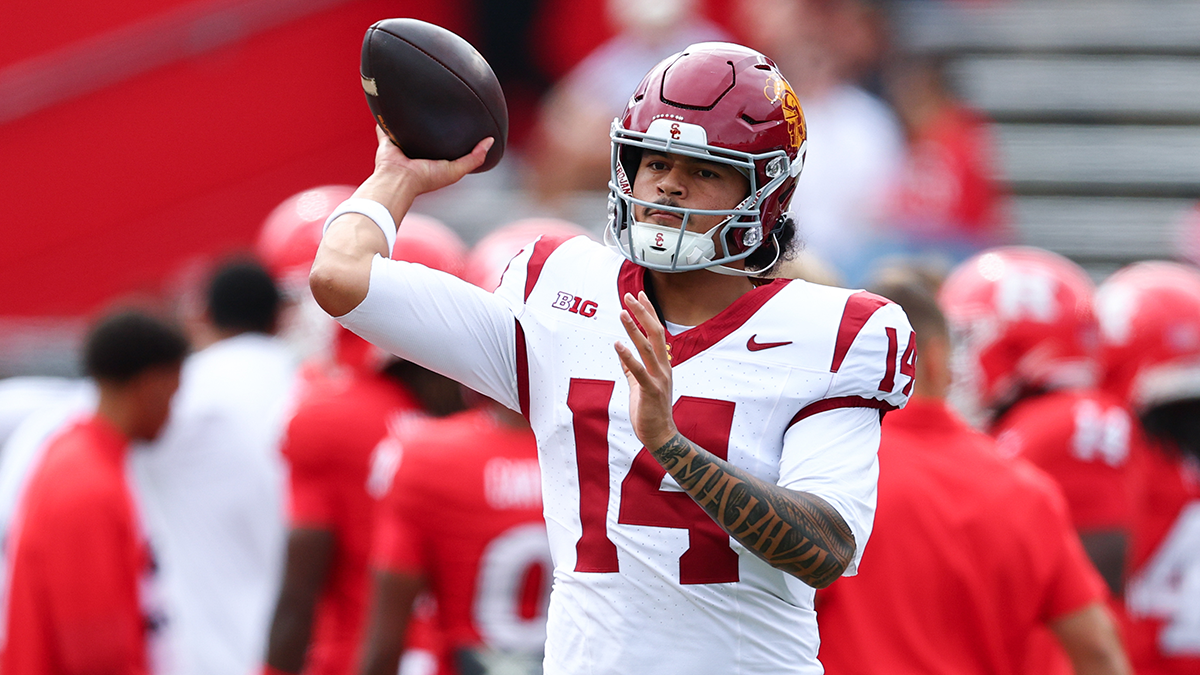
LB Desman Stephens
No single moment swung the game's momentum more dramatically than Desman Stephens' second-quarter hit on Oregon quarterback Dante Moore. As Moore slid during a play, the USC linebacker arrived far too late. He delivered a hit that resulted in a targeting penalty and ejection. That mistake completely changed the complexion of the high-stakes rivalry game.
Stephens' ejection immediately weakened a USC linebacker corps that was already having trouble matching Oregon's tempo. More importantly, it gave the Ducks an emotional jolt. Moore was forced out of the game with a frightening injury. Oregon suddenly had to turn to backup Dylan Raiola.
That development ultimately worked spectacularly in Oregon's favor. Raiola stepped into the chaos and proceeded to shred USC's defense. He finished with 309 passing yards and four touchdowns.
Stephens cannot be blamed for everything that followed. Still, his decision created a problem USC did not need. The penalty cost the Trojans defensive depth and helped transform the game's emotional landscape. Against Oregon, that was a devastating combination.
USC secondary
If Stephens' ejection opened the door, USC's secondary allowed Oregon to run straight through it. The Trojans' defensive backs repeatedly struggled to maintain coverage. Raiola settled into the game and just played with impressive poise. USC also made his job considerably easier by failing to consistently disrupt Oregon's passing concepts.
Darious Moore was particularly problematic for the Trojans. The Oregon target repeatedly found openings in coverage and eventually delivered the dagger. He hauled in a 29-yard touchdown that helped seal the Ducks' victory.
Article Continues BelowNow, the Trojans eventually battled back to tie the game at 27–27 in the fourth quarter. USC's secondary, though, broke down again. Oregon immediately marched down the field and reclaimed the lead. They effectively snatched the momentum right back from the home team.
That sequence says more about the secondary's performance than the final statistics. USC needed one stop. It could not get one. Maiava and the offense had done enough to keep the Trojans within striking distance, but the defense repeatedly forced them to play catch-up.
USC pass rush
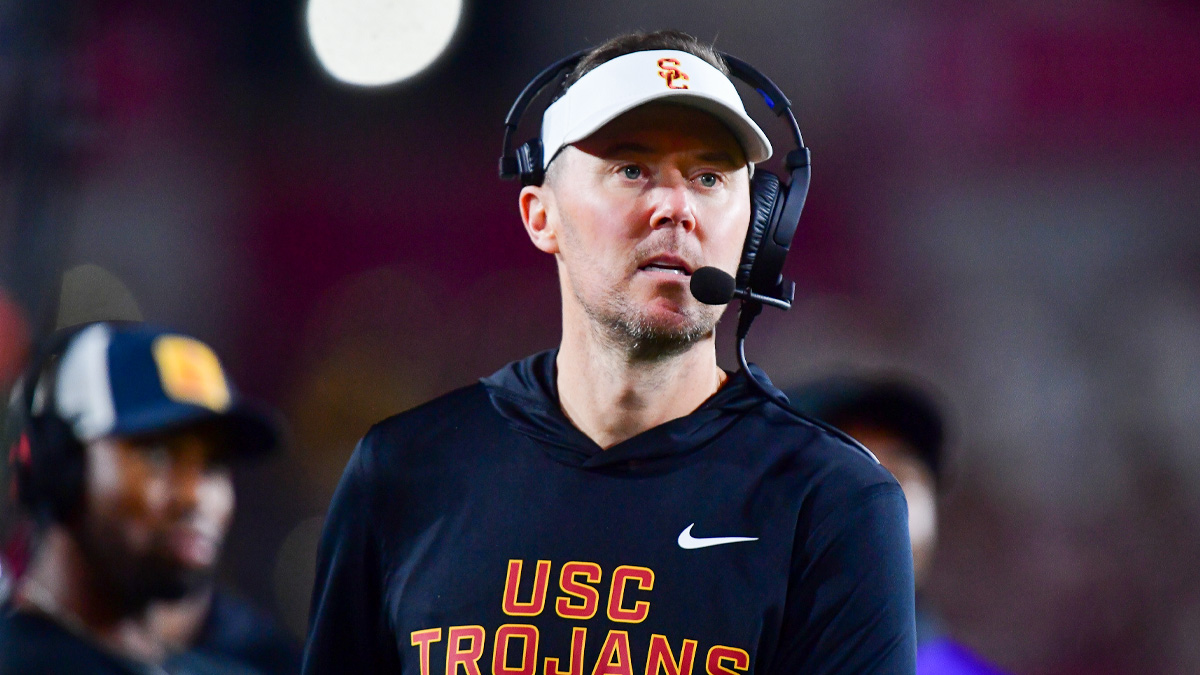
USC's coverage problems were compounded by a front seven that could not consistently disrupt Oregon's offense. The Trojans needed pressure once Raiola entered the game. Instead, they allowed him to operate with too much comfort and rhythm. Without consistent pressure up front, USC's defensive backs were left hanging out to dry.
The problem was not limited to the passing game, either. Oregon's front controlled enough of the line of scrimmage to keep the offense efficient and maintain possession. The result was 504 total yards allowed and 20 unanswered second-half points.
Those numbers tell the story of a defense that simply could not get off the field when it mattered most. USC entered the night hoping its defense would demonstrate that it had taken a meaningful step forward. Instead, Oregon exposed inconsistent pressure, coverage breakdowns, and an inability to close out high-level opponents.
Riley's offense did enough to keep USC alive. Of course, football games at this level are ultimately decided by the moments when one side has to make a stop. USC did not make enough of them.