
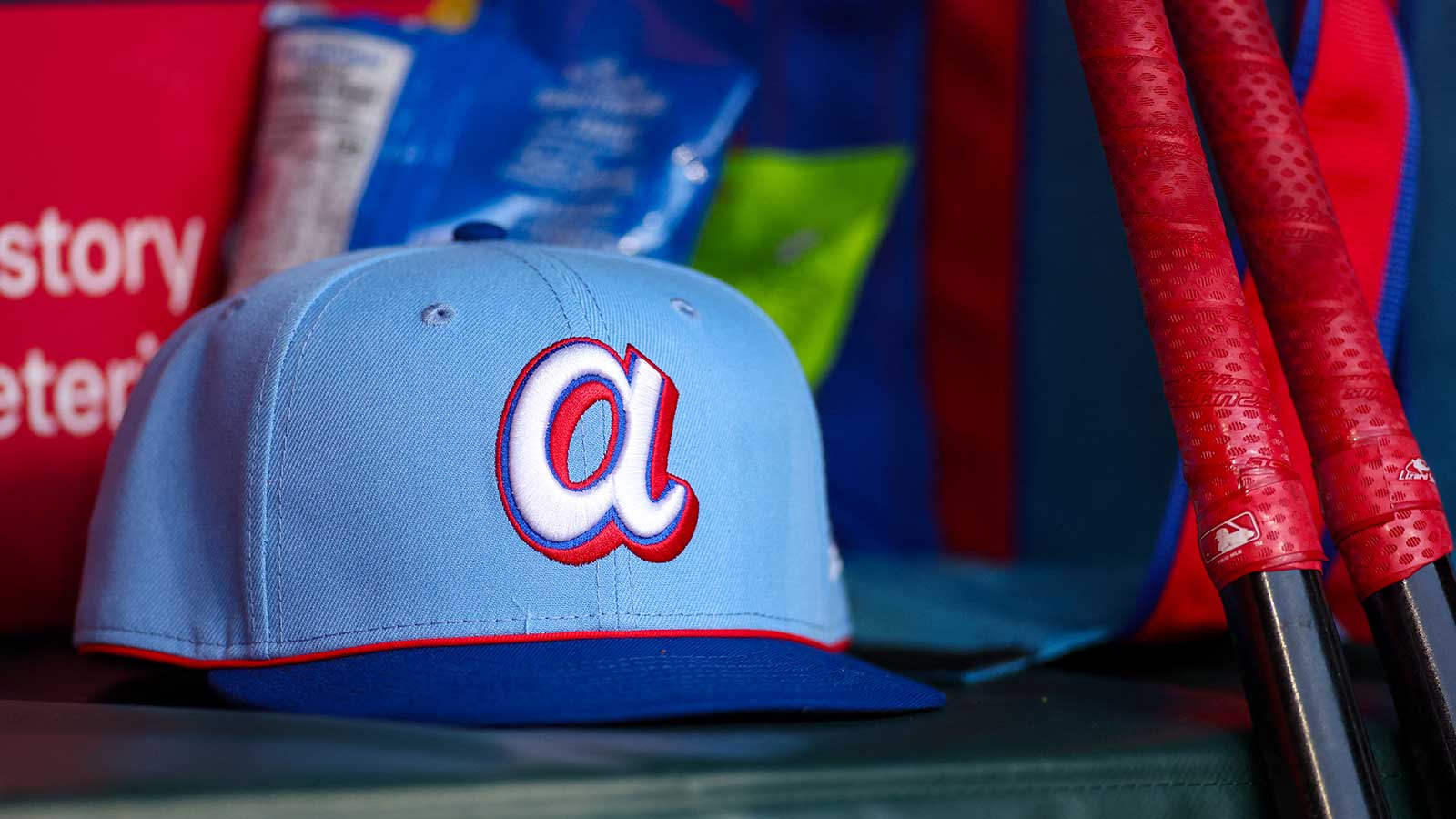
The Atlanta Braves went 94-68 in 2026 and reclaimed the National League East. It was their seventh division title in nine seasons after winning six straight from 2018 through 2023 and falling short in 2024 and 2025. Atlanta entered October as the NL’s No. 3 seed, beat the Philadelphia Phillies in the Wild Card Series and lost to the Los Angeles Dodgers in four games.
The collective bargaining agreement expires at 11:59 p.m. ET on December 1, and MLB expects to impose a lockout when it expires. A transaction freeze would pause the market. The New York Mets have already signed Tarik Skubal, the Chicago Cubs added Trevor Rogers and Teruaki Sato, and the Baltimore Orioles landed Freddy Peralta. The Braves should use the remaining window to pursue free agents Tyler Mahle, Clay Holmes, and Seiya Suzuki.
1. Tyler Mahle
The 32-year-old right-hander posted a 1.99 ERA and a 0.96 WHIP in nine starts for the Braves after they acquired him at the trade deadline. He had a 5.13 ERA in 18 starts for the San Francisco Giants. The improvement followed a change in pitch selection. Mahle had begun adjusting his mix in San Francisco and cut back further on his cutter after joining the Braves. Pitching coach Jeremy Hefner already knows how the right-hander made that adjustment.
Mahle allowed one run over seven innings vs. the Phillies in the Wild Card Series. In the Division Series, he pitched into the seventh inning of Game 4 and left with the score tied. Those starts showed why manager Walt Weiss could trust Mahle with a postseason assignment. Mahle has also said publicly that he would welcome a return.
Nine regular-season starts are a small sample. Atlanta should base its offer on the innings Mahle can give it in the middle of the rotation. A two-year deal around $30 million would be a reasonable starting point. If a third year is necessary, a total in the mid-$40 millions would keep the annual commitment in a similar range. The Braves have enough firsthand evidence to make that decision now.
2. Clay Holmes
Mahle alone would leave too much riding on Spencer Strider’s right elbow. Chris Sale can lead the rotation, but the Braves need enough starters to give him extra rest when the schedule allows. Signing Holmes would give Weiss another established option while Strider builds back up. It would also give Atlanta more control over when it asks a younger pitcher to take on a full rotation workload.
Holmes declined a $12 million player option with the Cubs after posting a 3.29 ERA and a 1.19 WHIP in 18 starts between Chicago and New York. A fractured right fibula interrupted a season in which he threw 101 1/3 innings. He made 31 starts in 2025, his first full season in a major league rotation. Hefner worked with him that year with the Mets and saw how he handled the transition from relief.
Holmes generated ground balls on about 61% of batted balls in 2026. That gives him a way to escape an inning with runners on base even when he’s missing fewer bats. Walks can undo that advantage. He issued 15 in 19 2/3 innings during his final month with Chicago. Two years in the mid-$30 millions would make sense for the Braves. A third year would require more confidence in his ability to carry a starter’s workload into his mid-30s.
3. Seiya Suzuki
Article Continues BelowThe Braves hit .145 and scored eight runs in four NLDS games vs. the Dodgers. Four games against a strong pitching staff can make any lineup look worse than it is, but the Braves could use another right-handed hitter who reaches base and drives the ball. Suzuki hit .270/.368/.473 with 26 home runs and 86 RBIs for the Cubs in 2026. His 128 career wRC+ shows that his production extends beyond one strong season.
Suzuki’s defense improved in right field last season, giving Weiss another way to keep his bat in the lineup. He could handle right when Ronald Acuna Jr. needs a day at designated hitter and take DH at-bats himself when Acuna plays the field. Michael Harris II can stay in center, and Mike Yastrzemski would still have a role in the outfield. Atlanta could use Suzuki regularly without asking any one player to change positions full time.
Suzuki declined the Cubs’ one-year, $23.15 million qualifying offer. Signing him would cost the Braves draft capital on top of the contract, and a four-year commitment would take him into his mid-30s. His track record at the plate and ability to handle right field give Atlanta enough reason to make a multiyear offer.
The Braves should open negotiations with all three now, starting with a reunion for Mahle and keeping the term short for Holmes. Adding both would give Weiss more freedom to manage Sale’s workload and give Strider time to show what he can handle. Suzuki warrants the largest commitment because his bat would improve the everyday lineup through all of those rotation changes. The expected freeze makes timing matter. Atlanta can use the remaining days to address the weaknesses the Dodgers exposed in October.