

The Detroit Lions entered their Week 6 bye after suffering another significant injury. Return specialist Tom Kennedy sustained a serious MCL injury during Sunday's 45-21 victory over the Arizona Cardinals. Kennedy had been handling both punt and kickoff duties for the first five weeks of the season, and he is now expected to require season-ending surgery. Additionally, veteran linebacker Devin White left the game with a broken forearm, which will sideline him for an extended period.
While the Lions can manage these absences through internal adjustments, the first five weeks have revealed a more significant problem on defense that needs addressing before the trade deadline. The Lions have allowed a total of 2,022 yards over five games, including 1,487 yards through the air. Opposing quarterbacks have already thrown 14 touchdown passes against them, and these statistics rank the secondary among the weakest in the league, despite a defensive front that has generated enough pressure to yield better results.
General Manager Brad Holmes should use the bye week to strengthen the coverage unit, and cornerback Donte Jackson from the Los Angeles Chargers could be a valuable addition.
Donte Jackson fits the problem Detroit actually has
Detroit's defensive statistics can create the impression that the unit is struggling at every level, but a closer look at the game tape and underlying performance reveals a more nuanced story. The defensive front has consistently influenced quarterbacks, and the Lions have enough disruptive players to create challenging passing situations, and unfortunately, too often, those pressures lead to situations where receivers find space before the pressure can result in a play-ending sack.
This disconnect has become particularly concerning due to the lack of stability in the secondary. Injuries and personnel changes have forced defensive coordinator Kelvin Sheppard to shuffle players between different roles, while younger defensive backs have taken on responsibilities earlier than anticipated. D.J. Reed provides a reliable presence, Roger McCreary offers valuable versatility, and rookie Keith Abney II even recorded an interception in his first career start against Arizona. However, the secondary still lacks enough dependable outside coverage to sustain itself throughout the season without relying heavily on support from the safeties.
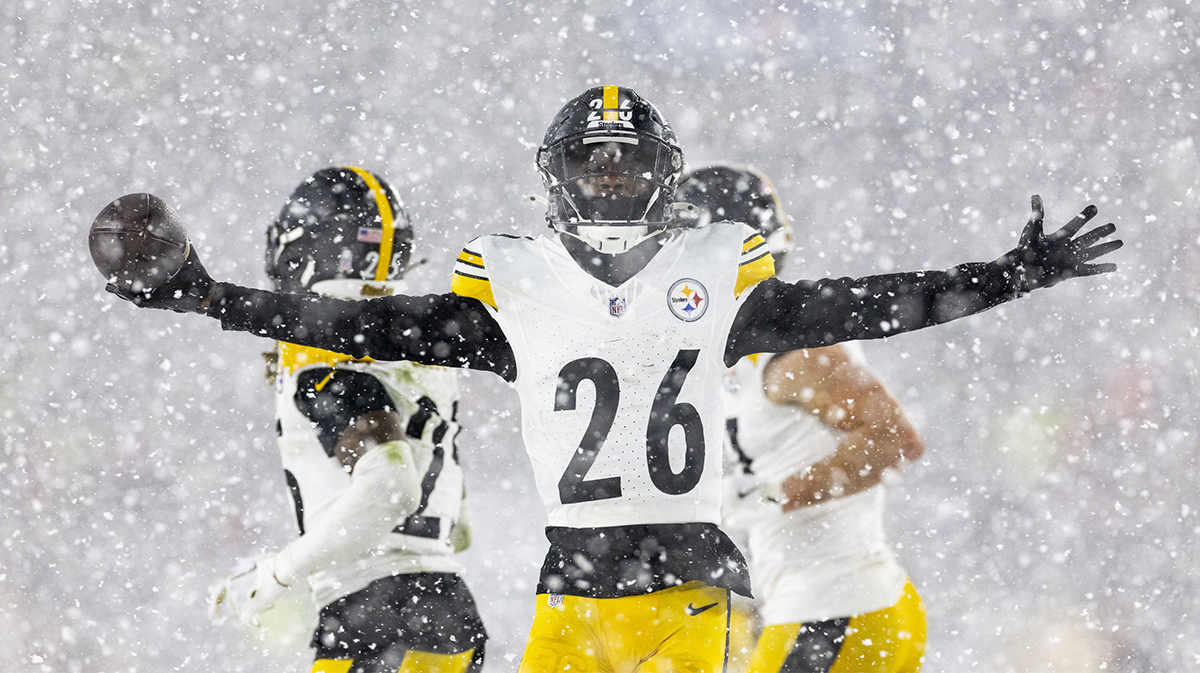
Bringing in Jackson would help address these issues, as he arrives with eight years of NFL experience and a strong track record for making plays on the ball. In 2024, he intercepted five passes while playing for Pittsburgh, and he added four more interceptions with Los Angeles last season, showcasing the anticipation and finishing ability that Detroit has been missing. In four appearances in 2026, he has also recorded two pass breakups and forced a fumble while being part of a Chargers defense that has performed significantly better against the pass.
In Detroit, his role could remain simple, because Sheppard would gain another veteran capable of playing on the outside without overhauling the entire secondary. This would allow McCreary to continue adapting to various assignments and give the coaching staff greater flexibility, especially once Brian Branch is fully reintegrated after recovering from his Achilles injury.
This type of flexibility would be especially beneficial against offenses that can create mismatches through motion and personnel changes, something Detroit will face frequently in the second half of the season.
Better coverage could unlock the pass rush
A secondary addition becomes even more valuable when we consider what the Detroit Lions already have in their front line. Aidan Hutchinson remains the centerpiece of their pass rush, and Alim McNeill can effectively collapse pockets from the interior. Additionally, D.J. Wonnum contributed with two sacks against Arizona. Throughout the first month of the season, the Lions have successfully pressured quarterbacks, but that pressure loses effectiveness when receivers can quickly uncover and provide easy options.
An experienced cornerback who can hold their position for an extra moment would give these rushers additional time to finish plays. This improvement could also make Detroit's defense less predictable on third downs, and the defense often relies on creating favorable situations through pressure packages or extra safety support, which can lead to vulnerabilities when communication breaks down. More stability in the secondary would broaden the options available to defensive coordinator Sheppard, allowing the front four to take on a greater share of the workload without putting the secondary at risk due to aggressive calls.
Los Angeles has a reason to listen
The Chargers enter Week 6 with a record of 0-5, which has led them to place veterans on shorter contracts, and this situation is quite different from that of players expected to be part of the team’s future competitive window.
Jackson, who is 30 years old and nearing the end of his contract, represents a clear opportunity for the Chargers to explore trade options. As the team begins to weigh its current performance against potential future draft capital, it’s important to consider that Detroit, with a 3-2 record and aspirations to compete for the division, can gain significantly more value from acquiring a veteran cornerback in the final two months of the regular season.
Given Jackson's age and contract situation, the trade demands are unlikely to be excessive. Holmes, the general manager, typically avoids giving up major assets for short-term solutions, and therefore, this type of trade aligns with that strategy, allowing Detroit to gain an experienced player in a position of immediate need without sacrificing one of its most valuable draft picks. A mid-to-late-round pick would be reasonable compensation for a defender who can step right into the defensive rotation.
Article Continues BelowThe trade market often does not offer perfect long-term solutions in October, making fit and cost more crucial than star power. Detroit already has high-end talent in several areas of its roster. This allows Holmes the flexibility to pursue practical additions that will stabilize the team's performance rather than alter its overall identity.
The bye gives Detroit the right moment to act
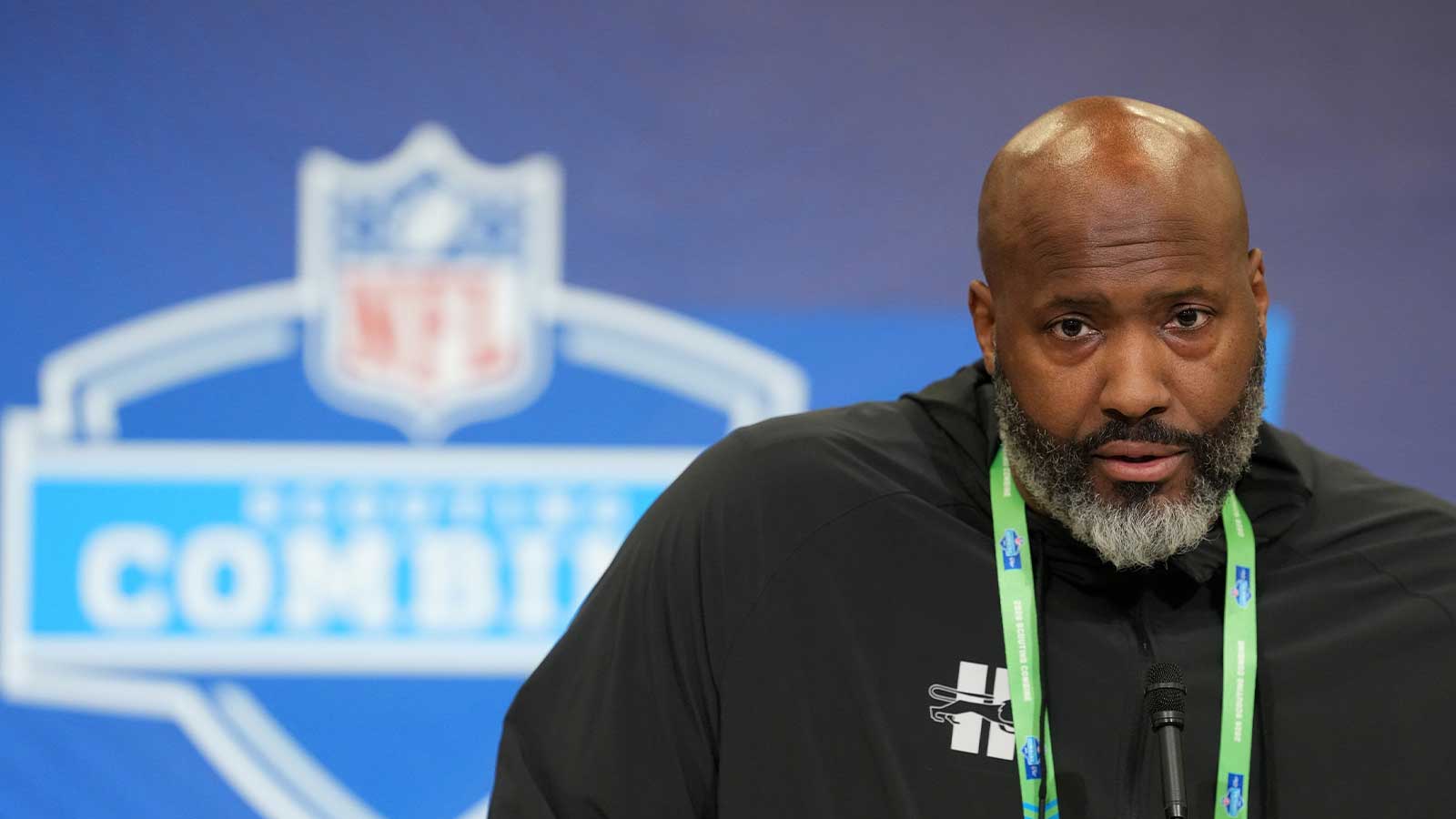
Holmes does not need to completely change a roster that remains firmly in the NFC playoff race, because Detroit's offense continues to score points with the help of Goff, Jahmyr Gibbs, and Sam LaPorta. Meanwhile, the defensive front has enough talent to apply pressure against almost any opponent, but the first five weeks have highlighted a specific weakness in the secondary, which has allowed too many successful passing plays, despite receiving significant support from the players in front.
Addressing this issue during the bye week would provide the coaching staff with extra time to integrate a veteran player before the most crucial stretch of the season begins. The Lions have reached a stage in their competitive cycle where modest investments at the trade deadline can be justified, especially when they directly support a playoff run, given that the roster already contains the key pieces needed to compete.
Acquiring a dependable outside cornerback would enhance the structure around Detroit's young defensive backs, grant Branch more freedom once he is fully healthy, and improve the pass rush's ability to convert pressure into successful defensive plays. The first month of the season has demonstrated that the offense can carry Detroit through challenging games, but relying on scoring 30 or 40 points every week puts unnecessary pressure on a team with serious postseason aspirations. Even a slight improvement in coverage could change the dynamics of those games, making the second half of the season much easier to navigate.