
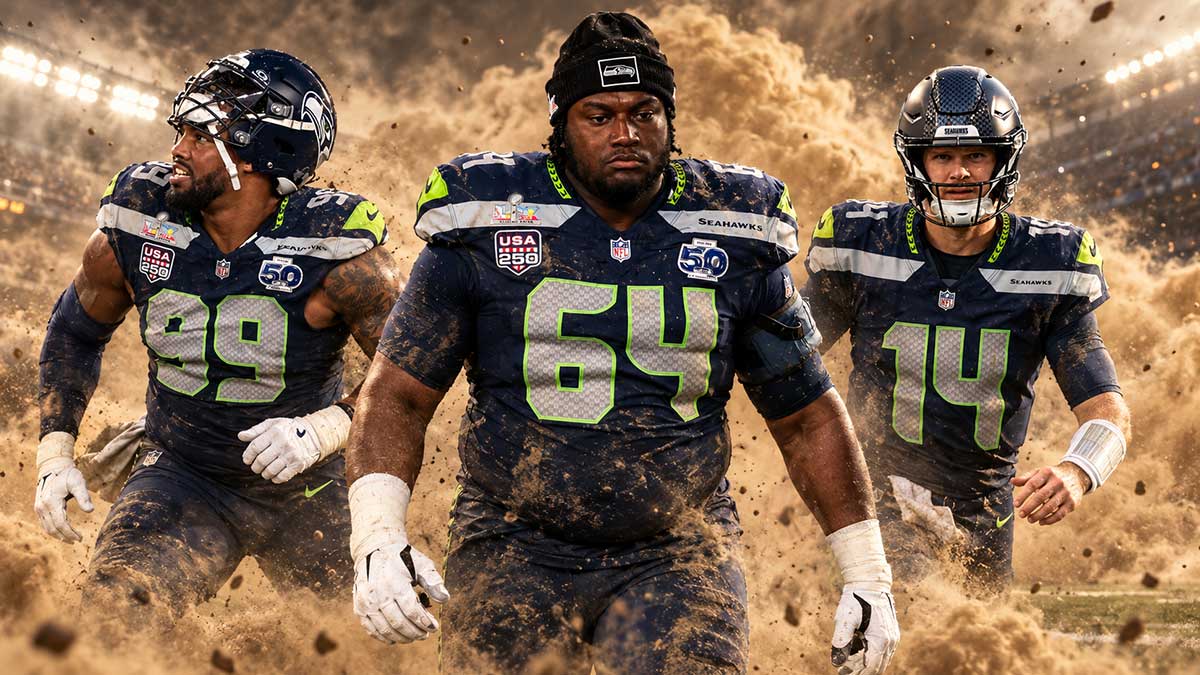
The Seattle Seahawks do not need to blow up their roster after one painful defeat. However, they cannot afford to ignore what their latest loss revealed. Seattle’s 32-29 defeat to the San Francisco 49ers was a self-inflicted wound. Four Seahawks turnovers helped produce 21 points for the opposition. The Seahawks showed enough fight to make a comeback possible. Still, their backfield mistakes and late-game execution ultimately proved costly. With the NFL trade deadline approaching, general manager John Schneider must consider whether the team's current roster construction gives Seattle its best chance to defend its Super Bowl title. One intriguing sell-high trade candidate is Christian Haynes. His recent performance has boosted his value. If Seattle can flip him for, say, a dependable running back, it may be a move worth exploring.
Premier trade asset
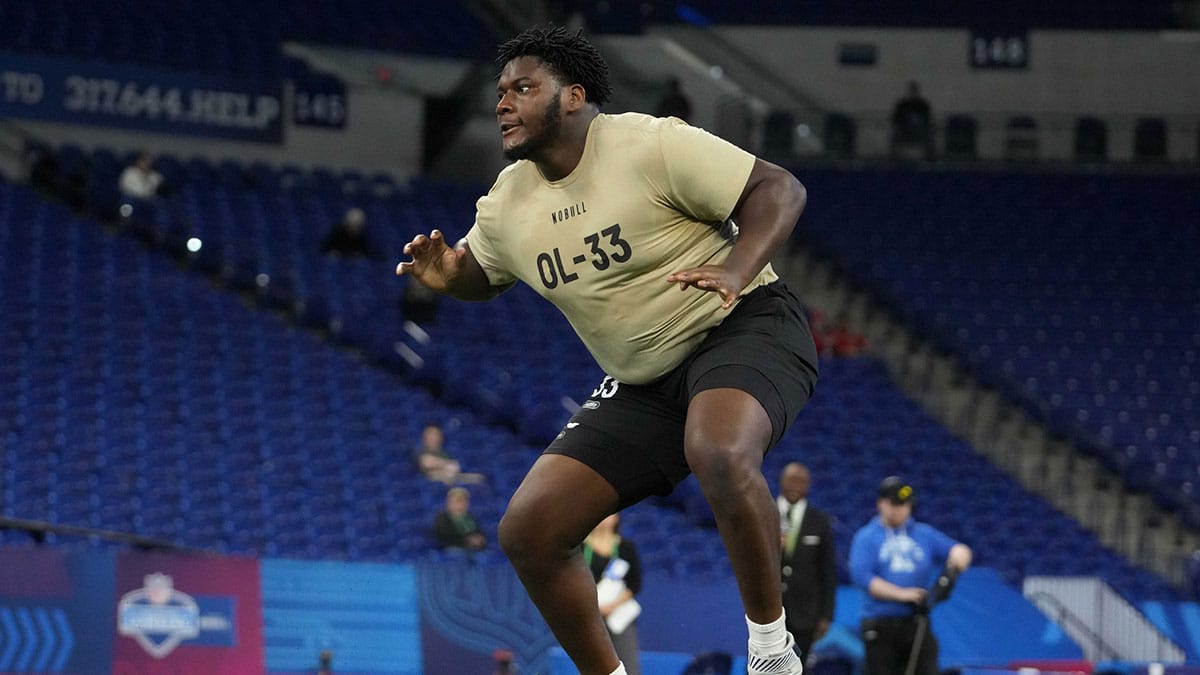
Haynes is a guard whose recent performance against San Francisco demonstrated why another team could be interested. Haynes played 33 offensive snaps and earned an impressive 85.8 Pro Football Focus grade. That's one of the highest marks among Seahawks players in the game. He held his own against a formidable defensive front.
That performance is precisely what makes Haynes an intriguing trade chip. The 26-year-old has experience in Seattle's system, contributed to the team's Super Bowl-winning season, and is now competing for playing time at right guard. His affordable contract and ability to handle meaningful snaps could appeal to a contender dealing with injuries or inconsistent offensive-line play.
However, Seattle should not mistake one excellent grade for proof that Haynes is expendable. He has started four games this season. The Seahawks have relied on him and Beau Stephens to rotate at right guard while Anthony Bradford recovers from injury. Trading Haynes would therefore create a genuine hole rather than simply clear out a surplus player.
Still, Schneider's job is to weigh the value of every roster spot against the team's biggest needs. If another club is willing to offer a meaningful return for Haynes, Seattle should at least listen.
Backfield stability
The strongest argument for moving Haynes centers on Seattle's urgent need in the backfield. Zach Charbonnet remains on the physically unable to perform list. That has left the Seahawks to divide carries among George Holani, Emanuel Wilson and their other available options. Against San Francisco, Wilson and Holani lost costly fumbles. Those mistakes exposed the danger of relying on an unstable running-back rotation.
Seattle does not necessarily need a superstar running back to fix the problem. It needs a dependable ball-carrier who can handle a meaningful workload and give the offense a more consistent foundation. A veteran back who understands ball security and pass protection could provide valuable insurance while Charbonnet works toward a return.
Haynes could help finance that solution. Schneider should explore whether an offensive-line-needy team would surrender a proven running back. Altenratively, they can go for a valuable draft pick. A draft pick would preserve flexibility, while an established back could address the most pressing need right away.
There is an important caveat, of course. Seattle must not sacrifice too much protection in front of Sam Darnold. The Seahawks are rotating Haynes and Stephens. Bradford's eventual return could improve their options. Still, that return is not guaranteed to solve every issue. The Seahawks must obviously make decisions based on its present needs rather than hypothetical future depth.
Schneider's decisiveness
Trading Haynes only makes sense if the return justifies the risk. Seattle's offensive line has already experienced enough instability. Sending away a productive guard without securing adequate replacement options could undermine the offense. Schneider should demand fair compensation and avoid treating any available running back as an automatic upgrade.
The Seahawks also need to improve their existing players' ball security through coaching and repetition. A trade cannot eliminate every fumble, and even a proven veteran can make mistakes. The goal should be to reduce risk while improving overall balance.
Article Continues BelowSeattle remains a contender despite its loss to San Francisco. The NFC West, of course, is unforgiving. Schneider must be aggressive without becoming reckless.
Intriguing opportunity
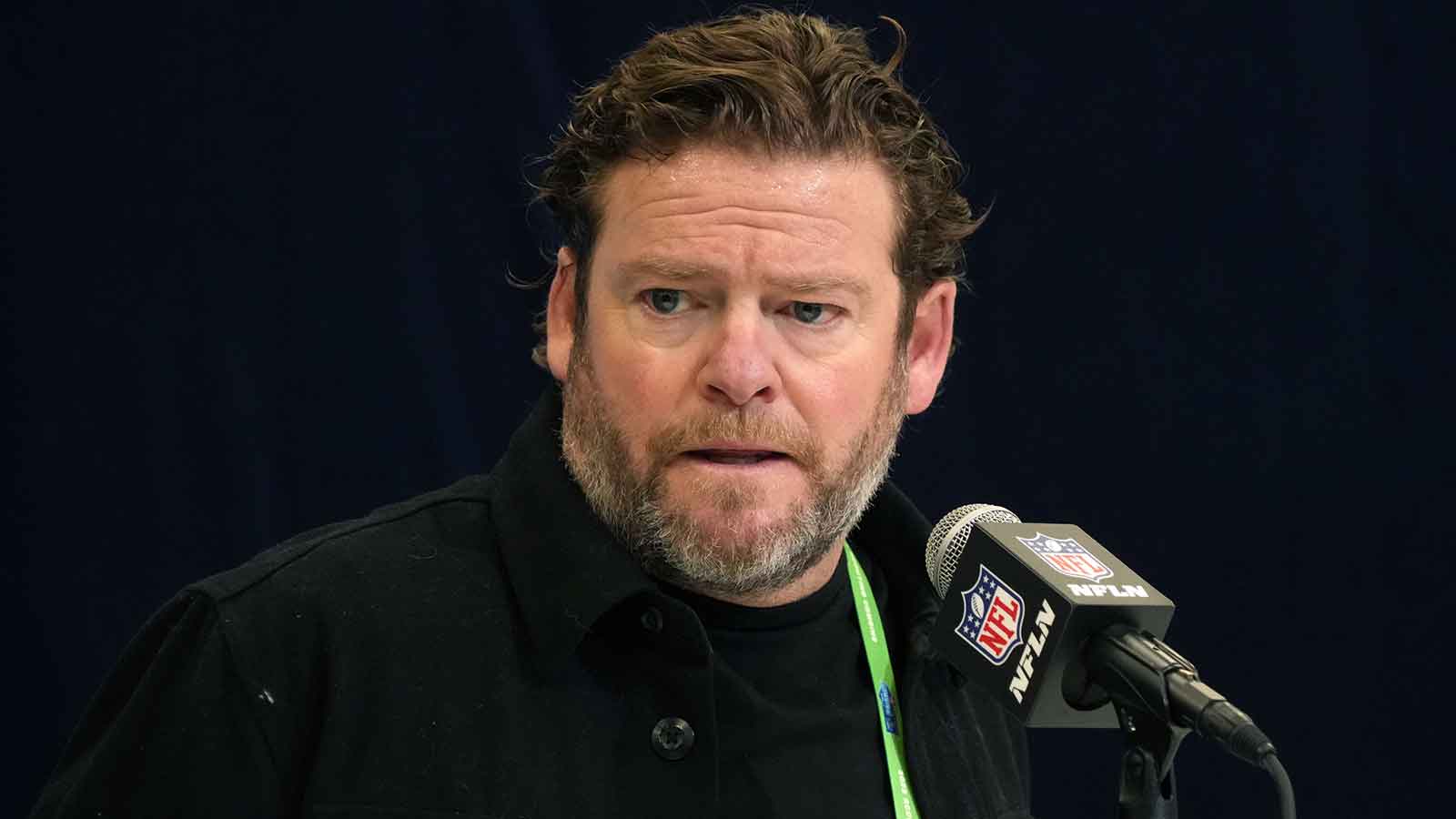
Haynes is not a player Seattle should trade simply because he has become valuable. He should be moved only if his departure produces a tangible improvement elsewhere, particularly in the backfield. Still, his recent performance has given Schneider a legitimate asset to leverage.
The Seahawks need dependable ball security, better situational execution, and enough offensive-line depth to sustain their championship ambitions. If a trade can strengthen the running-back room without compromising protection, it deserves serious consideration.
The deadline is an opportunity to sharpen the roster, not merely shuffle its pieces. Seattle should explore the market for Haynes and make the move if the right offer arrives. Afterall, a championship defense requires knowing when a useful player can become an even more valuable solution somewhere else.